Blog
How to Inhale a Vape Correctly: Beginner’s Guide

Mastering Vape Inhalation: Techniques, Tips, and Troubleshooting
Proper inhalation technique plays a crucial role in the vaping experience, affecting everything from satisfaction to potential throat irritation. While vaping carries serious health risks and is not recommended by medical professionals, we recognize that many adults who already vape seek reliable information to minimize potential harm. This guide is specifically intended for existing adult vapers who are looking to understand proper technique – it is not meant to promote or encourage vaping in any way.
Beginner vape inhale tips can help current users avoid common mistakes that may increase discomfort or risks. It’s essential to note that vaping products contain nicotine, a highly addictive substance, and their sale and use are strictly regulated. In the United Kingdom, these products are legally restricted to adults aged 18 and over, with severe penalties for underage sales or use. The UK has its own specific regulations governing vaping products through the Medicines and Healthcare products Regulatory Agency (MHRA). This information is provided purely for educational purposes for those adults who currently vape and are seeking to understand how to inhale a vape more effectively.
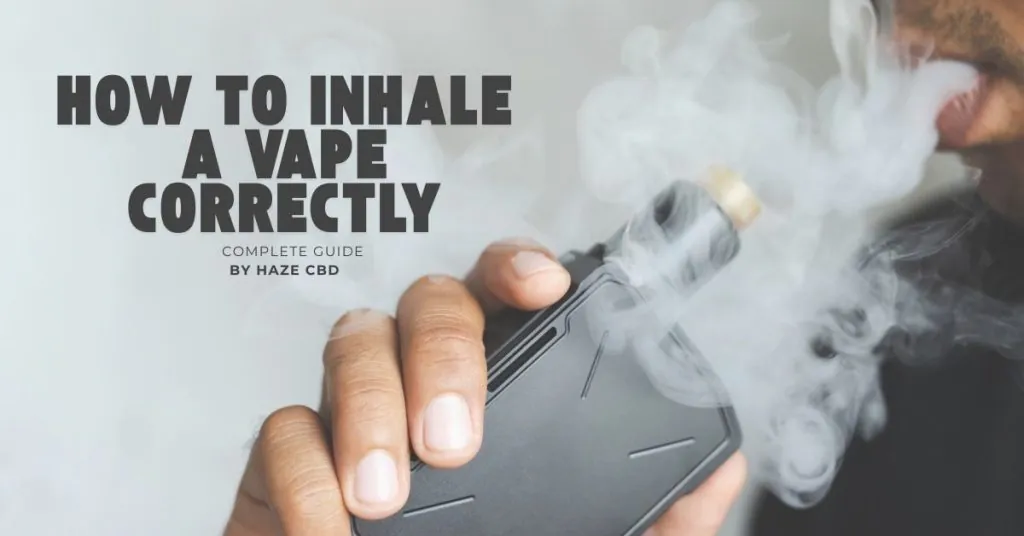
Understanding Your Device
Vaping technology has produced several distinct device categories, each offering different experiences for people. From basic disposables to advanced box mods, these devices vary significantly in complexity, power output, and maintenance requirements. Users often progress from simpler to more sophisticated devices as they become more experienced. When learning how to inhale vapour smoothly, different devices require specific inhalation techniques – pod systems typically work best with mouth-to-lung hits. At the same time, higher-powered box mods are designed for direct-lung inhales. Understanding deep inhale vape tips can help users avoid common issues like throat irritation or insufficient vapour production, though proper technique should always prioritize comfort over maximum vapour output.
Table of Contents
Pod Systems
These are compact, all-in-one devices that use replaceable or refillable pods filled with e-liquid. Think of them like a small coffee pod machine – the pod clicks into the battery base. They typically have:
- Built-in batteries (300-800mAh)
- 2-4 ml pod capacity
- Lower power output (5-25W)
- Auto-draw or button activation
- Perfect for nicotine salts
- Great for beginners due to their simplicity
Box Mods
These are the powerhouses of vaping devices because they are larger, rectangular devices with extensive features and settings. They offer:
- Replaceable batteries (usually 18650, 20700, or 21700)
- High power range (up to 200W or more)
- Temperature control
- Custom power curves
- Large screen displays
- Compatible with various tanks
- Extensive customization options
- Advanced features like preheat and bypass modes
Pen-Style Vape
These cylindrical devices bridge the gap between basic and advanced vaping. Key features include:
- Tube-shaped design similar to a large pen
- Built-in batteries (650-1500mAh)
- Medium power range (15-30W)
- Usually button-activated
- Refillable tanks
- Simpler than box mods but more capable than pods
- Good middle-ground for intermediate users
Disposables
These are single-use devices that come pre-filled and pre-charged. Disposables also include:
- No maintenance
- Pre-filled with e-liquid
- Non-rechargeable battery
- Usually auto-draw activated
- Limited flavour and nicotine strength options
- Designed to be discarded after use
- Convenient for travel or trying vaping
- Typically last 600-800 puffs
Each vaping device type serves different needs to suit various levels. Beginners often start with disposables or pod systems, while experienced users typically prefer the customization of box mods.
The Two Main Inhalation Methods
Mouth-to-Lung (MTL)
Mouth-to-Lung (MTL) vaping mimics traditional cigarette smoking, making it ideal for those transitioning away from combustible tobacco. Using pod systems or high-resistance devices (above 1.0 ohm), MTL involves a two-stage process where vapour is first drawn into the mouth, held briefly, and then inhaled into the lungs.
For those learning smooth inhale techniques, start by taking a slow, gentle 2-3 second draw into your mouth – similar to sipping a thick milkshake. Pause momentarily, then complete your inhalation by opening your throat and drawing the vapour into your lungs. Understanding how to breathe in vape properly with MTL can enhance nicotine satisfaction while using less e-liquid, making it cost-effective and ideal for higher-nicotine juices.
MTL delivers pronounced flavour and a satisfying throat hit, though it produces less vapour than direct-lung methods. This technique particularly suits new vapers, stealth vaping situations, or anyone preferring a more subtle experience. The main drawback is that some users may need to find the restricted airflow more tight than modern sub-ohm devices.
Direct-to-Lung (DTL)
Direct-to-lung (DTL) vaping is a vaping technique in which vapour is inhaled directly into the lungs in one continuous motion, similar to breathing normally. Unlike mouth-to-lung vaping, there’s no pause or holding the vapour in your mouth first.
The most suitable devices for DTL vaping are sub-ohm tanks, rebuildable tank atomizers (RTAs), and rebuildable dripping atomizers (RDAs). These devices typically have wider airflow options and work best with lower nicotine concentrations (0-6 mg) and higher VG e-liquids for smoother hits.
The technique requires completely opening the airflow on your device. When vaping, take a long, steady inhale directly into your lungs imagine drinking a thick smoothie through a wide straw. The right way to inhale vape is to pull steadily for 3-5 seconds while keeping your airflow unrestricted. Exhale naturally and wait a few moments between puffs.
DTL offers several advantages: intense flavour production, large vapour clouds, and a smoother throat hit. However, it does have drawbacks: higher e-liquid consumption, increased battery drain, and it may be too intense for beginners or those who prefer higher nicotine strengths.
This style works best with high-powered devices (typically 40W and above) and is favoured by cloud chasers and flavour enthusiasts. For optimal results, properly inhaling a vape involves taking slow, deliberate draws while maintaining steady airflow and using the appropriate power settings for your coil resistance.
Advanced Techniques
Advanced vapers often experiment with different inhalation methods to enhance their experience. Restricted direct lung (RDL) hits use partially closed airflow for a more concentrated vapour. At the same time, cigar-style draws pull vapour into the mouth without inhaling – similar to enjoying a fine cigar.
Temperature plays an essential role in vapour quality and flavour intensity – lower temperatures generally provide smoother hits, while higher temperatures produce denser clouds. This vape inhale technique can be refined through careful airflow adjustments, which affect vapour density and throat hit sensation. Finding your sweet spot involves experimenting with different wattage settings, airflow configurations, and coil positions.
Common mistakes to avoid include chain vaping without allowing coils to properly re-saturate, using inappropriate power settings for your coil resistance, and rushing through draws instead of taking slow, deliberate pulls.
Tips for Beginners
Starting with the basics: Start with an easy device and low-power settings. This will help you learn proper techniques and avoid overwhelming experiences. Let the device warm up for a few seconds before inhaling.
Find appropriate nicotine strength: If transitioning from smoking, start with a level similar to your cigarette usage, typically 3-6mg for frequent smokers. Watch for signs of too much nicotine (dizziness, nausea) and adjust down if needed.
Understand throat sensation: The “throat hit” sensation varies based on nicotine level, PG/VG ratio, and power settings. A moderate throat hit helps former smokers, but too harsh can be unpleasant. Start gently and adjust.
Breathing technique:
- Take a slow, steady draw lasting 3-4 seconds.
- Don’t inhale too forcefully—this can cause coughing and discomfort.
- Exhale naturally and wait between puffs.
Key mistakes to avoid

Troubleshooting Common Issues
When using personal vaporizers, several common challenges may arise that require attention. Throat irritation can often be addressed by adjusting power settings and ensuring proper maintenance. If experiencing coughing, try taking gentler draws and staying well-hydrated. Proper device maintenance and airflow adjustment help prevent dry or harsh hits.
It’s highly important to avoid liquid entering the mouthpiece, so you must regularly check and clean components to ensure they are assembled properly. However, if you notice diminished flavour quality, look at the heating element and consider replacing it if needed. Using appropriate temperature control settings is crucial – start low and adjust gradually to find your comfort zone.
The correct vape inhaling method involves several factors, including proper device handling and maintenance. For optimal results with any vaporizer device, take slow, controlled draws while maintaining consistent airflow, and always follow manufacturer guidelines and safety recommendations for proper inhalation technique. Understanding how to inhale a vape properly is essential for a smooth experience.

Safety Considerations
Safe vaping practices are crucial for both new and experienced users, with the proper technique being essential for inhaling for vape beginners. Chain vaping can lead to device overheating and increased nicotine absorption, so it’s vital to recognize signs of nicotine overdose, such as nausea, dizziness, and rapid heartbeat – symptoms that signal when to stop immediately. Learning to inhale vape without coughing requires attention to device maintenance, including regular oil changes and thorough cleaning to prevent harmful buildup.
Key safety protocols to remember
| Safety Category | Guidelines | Importance |
|---|---|---|
| Battery Safety | Do not leave batteries charging unattended, and always use a battery case, especially when storing spare batteries | Prevents short circuits and potential fire hazards |
| Component Integrity | Regularly check O-rings and seals to prevent leakage | Protects device and prevents skin contact with e-liquid |
| E-liquid Storage | Store in a cool, dark place away from direct sunlight and heat sources | Maintains stability and prevents degradation |
| Maintenance Schedule | Perform weekly maintenance checks and replace worn components | Ensures optimal performance and safety |
Battery safety must be noticed; always use manufacturer-recommended chargers and inspect batteries for damage. Proper storage in cool, dry places away from direct sunlight helps maintain e-liquid stability and device longevity. Environmental factors also impact the vaping experience; although adequate airflow prevents vapour concentration, extreme temperatures can affect device performance and e-liquid viscosity. Indoor vaping requires proper ventilation, whereas outdoor vaping may need adjustments for wind and humidity. Weather conditions, particularly high humidity, can affect vapour density and throat hit, making it essential to adjust your technique accordingly.
Conclusion
When inhaling a vape, it’s essential to master the technique and take it easy. Take slow, controlled draws until you find your preferred inhalation style, mouth-to-lung or direct-to-lung. While proper technique can help avoid harsh throat hits, it’s crucial to remember that vaping can still carry health risks, including nicotine addiction and potential lung damage. Pay attention to your body’s signals and stop immediately if you experience any adverse effects. If you choose to vape, consider starting with lower nicotine concentrations and always use regulated devices from reputable manufacturers. For evidence-based information about vaping risks and resources, consult your healthcare provider or visit your local health department’s website.