Blog
Does CBD Help with Sleep? The Science, Dosage & Best Products


For many people, yes, especially when anxiety or pain is the reason sleep isn’t happening. Here’s what the science says and what actually works.
If you’re lying in bed replaying the day, waking up at 3 am, or struggling to switch your mind off, you’re not alone. The question: ‘Does CBD help with sleep?’ has become one of the most searched wellness topics in the UK. Particularly among adults dealing with mild insomnia, stress, or interrupted rest.
CBD doesn’t act like a sleeping tablet. Instead, it collaborates with your body’s natural systems to help calm the signals that keep you awake. That’s an important distinction when asking does CBD help with sleep, because it’s not about sedation, it’s about balance.
For many UK adults, sleep problems are not about lack of tiredness but an inability to properly relax. This is where CBD becomes relevant. Instead of forcing sleep, it helps the body shift into a calmer state where sleep can happen naturally.
What the Research Says About CBD & Sleep
When looking at the question: ‘Does CBD help with sleep?’ The science is still developing, but it looks promising.
One key study often is the 2019 Shannon study published in The Permanente Journal. It found that 79% of participants with anxiety said it improved sleep within the first month of CBD use. This is important because anxiety is one of the biggest causes of sleep disruption.
Another 2019 study showed that around two-thirds of CBD users experienced better sleep quality overall. These early findings support the idea that CBD does help with sleep. It’s closely linked to its ability to reduce stress rather than directly induce sleep.
However, there are limitations. Most studies are small, short-term, and rely on self-reported data. There are currently no large-scale randomised controlled trials confirming long-term effects. This means the evidence for does CBD help with sleep is still emerging rather than definitive.

It’s also worth noting that individual responses can vary widely. Factors like body weight, metabolism, stress levels, and existing sleep habits all influence how effective CBD may be. This variability is one reason research findings are still mixed.
Even so, regular user reports suggest CBD may play a supportive role in sleep quality. This is true for stress-related issues.
How CBD Affects Sleep
To understand does CBD help with sleep, you need to understand how it works in the body.
CBD interacts with the endocannabinoid system. This helps to regulate mood, stress, pain, and sleep cycles. It doesn’t act like a sedative. Instead, it reduces the internal barriers that prevent sleep from happening naturally.
For example, if anxiety is keeping your mind active at night, CBD may help reduce that heightened stress response. If pain is causing frequent waking, CBD may help ease discomfort.
This is why many people say it didn’t “knock them out” the first time they tried it. That reaction is common when asking does CBD help you sleep, because CBD supports relaxation rather than forcing unconsciousness.
CBD may also influence cortisol levels, the hormone linked to stress. High evening cortisol can delay sleep, and early evidence suggests CBD may help bring this back into balance, making it easier to wind down at night.
In short, CBD helps create the conditions for sleep, it doesn’t override your body’s natural rhythm.
CBD vs. Melatonin: Which Is Better?
When comparing sleep aids, it’s important to understand they work in completely different ways.
Melatonin is a hormone that gives signals to your brain that it’s time to sleep. It’s useful for resetting sleep cycles, especially after travel or shift work.

It directly influences sleep timing. CBD works differently. It doesn’t signal sleep, it reduces the factors that prevent sleep in the first place, such as anxiety or physical tension. This is why CBD for sleep is often preferred by people with stress-related insomnia rather than jet lag. In simple terms:
- Melatonin = sleep timing tool
- CBD = relaxation and sleep support
Some people experiment with taking both. Especially those struggling to sleep and staying asleep. The first is usually recommended, so you can clearly assess what is working.
So when people ask does CBD help with sleep, the answer depends on the cause of the sleep issue, not just the symptom.
Who Does CBD Help the Most With Sleep?
CBD is not a universal sleep solution. But it does help certain people more than others. It works best for:
- Anxiety driven insomnia (racing thoughts and overthinking)
- Pain related night waking
- Stress induced light or broken sleep
It is less effective for:
- Sleep apnea
- Restless legs without pain involvement
- Severe clinical depression-related insomnia
People who describe themselves as ‘tired but wired’ often respond best to CBD. This is because their issue is not fatigue, but an overactive nervous system that struggles to switch off at night.
It’s best to understand the question: ‘Does CBD help with sleep?’ after you’ve looked at the stats. CBD targets underlying causes rather than all sleep disorders.
Best CBD Products for Sleep
Choosing the right format matters when it comes t exploring does CBD help with sleep in real life scenarios.
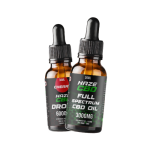
CBD oil drops when taken under the tongue are often the most effective starting point. They are great for beginners and those trying CBD oil for sleep. They absorb relatively quickly and allow flexible dosing.

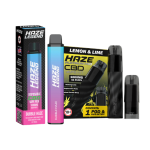
Gummies are, however, absorbed more slowly and release CBD over a longer period. This makes them useful for people who wake up during the night and want sustained support. Vapes act quickly but wear off fast. So they may help with falling asleep but not staying asleep.
- Full-spectrum CBD works quicker than isolate. This is because it includes additional cannabinoids and plant compounds.
- Some products include CBN, a cannabinoid associated with sedative effects and deeper rest.
Another factor to consider is flavour and ease of use. Oils can have an earthy taste that some people find strong. While gummies offer a more enjoyable experience, which can improve consistency over time.
Many people searching for the best CBD for sleep in the UK find full-spectrum or CBN is better than basic isolate oils.
How Much CBD for Sleep
Dosage is one of the most important factors in answering this question of: does CBD help with sleep effectively?
A common starting dose is 20-30mg taken about 45 minutes before bed. This allows time for absorption and interaction with the body’s systems.
If there is no effect after a few nights. It’s best to increase the dose by 10mg every 4-5 days until improvement is noticed.It’s also helpful to keep a simple sleep diary when starting CBD. Tracking how long it takes to fall asleep, how often you wake, and how you feel in the morning can help you fine-tune your dose more effectively.
For more detailed guidance, see our UK Sleep Dosage Guide or alternatively use our CBD calculator for accurate results. Getting the dose right is often the difference between success and disappointment when testing whether CBD helps you sleep.
Side Effects at Sleep Doses
CBD is well tolerated generally, but some side effects can occur, especially when adjusting dosage. These include:
- Mild morning grogginess (usually from too high a dose)
- Vivid dreams, especially in the first 1–2 weeks
- Dry mouth
These effects are temporary and often resolve once the dose is adjusted. It’s best to monitor how your body reacts when evaluating does CBD help with sleep.
A Smarter Bedtime Routine With CBD
CBD works optimally when combined with good sleep habits rather than used alone. A simple routine:
- 90 minutes before bed: reduce screens and bright light exposure
- 45 minutes before bed: take 20 to 30mg CBD
- 30 minutes before bed, just read, stretch, or drink herbal tea
- Have a regular sleep schedule
This approach supports the natural circadian rhythms and improves the effectiveness of CBD in terms of sleep. Many users find CBD becomes more effective after several days of consistent use alongside better sleep hygiene.
Common Mistakes
A big reason people feel CBD “doesn’t work” is when they take the wrong dosage. Common mistakes include:
- Taking too low a dose (under 15mg rarely helps sleep)
- Taking too high a dose (can cause grogginess in some users)
- Expecting instant results on the first night
- Using only vape products, which wear off too quickly
Understanding does CBD help with sleep requires realistic expectations. Most users notice improvements within 7-14 days rather than immediately.
Is CBD better than sleeping pills?
CBD works differently from sleeping tablets. It does not sedate the body. It may be a gentler option for people seeking natural sleep support.
Will CBD make me drowsy during the day?
Many people do not experience daytime drowsiness at normal doses. If it happens, you should lower the dose taken.
Can I combine CBD and melatonin?
Yes, but it’s best to start with one first to understand your response. Some people find the combination helpful for sleep onset and relaxation.
Is CBD safe to take every night?
CBD is considered safe for regular use. But long-term studies are still ongoing. It’s best to monitor your response over time.
So, does CBD actually help with sleep? For most people, yes it does, especially when stress, anxiety, or physical discomfort are the main issues. It does not force sleep but supports the body in creating the right conditions for rest.
If you’re starting out, oral CBD drops are the most flexible option. For longer overnight support, CBD gummies may be more suitable. For a deeper breakdown of timing and dosage, see our UK Sleep Dosage Guide.