Does CBD Get You High? CBD vs THC Explained


Does CBD Get You High? CBD vs THC Explained
Why CBD doesn’t produce a high, how it differs from THC, what it can feel like, and the situations where a “CBD” product could affect you more than you expect.
The short version
No. CBD isn’t intoxicating. It doesn’t activate the brain’s CB1 receptors the way THC does, and the WHO found no abuse or dependence potential. Legal UK products contain no more than 1mg of THC in the whole product.
CBD can still make some people feel relaxed or drowsy. Mislabelled products, high-THC “full-spectrum” imports or synthetic cannabinoids like HHC can cause intoxication, so buy lab-tested products from UK retailers.

It’s the first question most people ask before trying CBD. The short answer is no: CBD doesn’t get you high. But there’s some nuance worth knowing, including how it does affect you and when a product labelled “CBD” might not be what it seems.
CBD vs THC
| CBD (cannabidiol) | THC (tetrahydrocannabinol) | |
|---|---|---|
| Gets you high? | No | Yes |
| CB1 receptor | Doesn’t activate it, and may dampen its activation | Activates it directly, which causes the high |
| Main source | Hemp | Marijuana-type cannabis |
| UK legal status | Legal in compliant products | Controlled (Class B). No more than 1mg allowed in a CBD product |
| Dependence potential | None found by the WHO | Yes |
| Shows on drug tests? | Tests don’t look for CBD | Yes |
You may see CBD called “non-psychoactive”. Strictly speaking, it does act on the brain, but it isn’t intoxicating. It doesn’t cause euphoria, distorted perception or impairment the way THC does. The WHO’s 2018 review found no evidence of abuse or dependence potential. For more on the mechanisms, see CBD effects on the brain.
What does CBD feel like?
Many people notice nothing obvious. Others describe feeling a little more relaxed or sleepy. Possible side effects include:
- drowsiness or tiredness;
- dry mouth;
- diarrhoea or an upset stomach;
- changes in appetite.
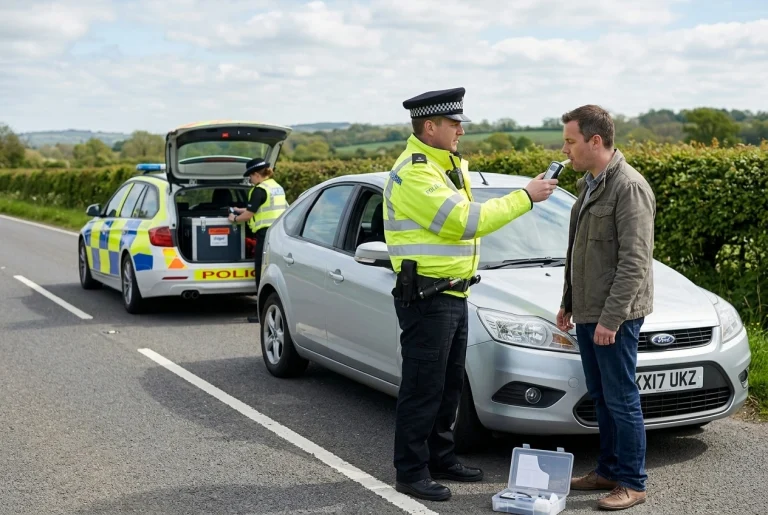
Drowsiness is the one to watch: don’t drive or use machinery if CBD makes you sleepy. See CBD and driving in the UK.
When a “CBD” product could make you feel high
- Mislabelled products: independent testing has found some CBD products contain more THC than the label states.
- Non-UK full-spectrum products: some countries allow more THC. UK products must contain no more than 1mg of THC per product, and the “0.2% THC” rule you may see quoted isn’t the legal test.
- Synthetic or semi-synthetic cannabinoids: products sold as “legal highs”, such as HHC, THC-O or delta-8 THC, can be intoxicating and are controlled or unregulated in the UK. They aren’t CBD.
- Vaping the wrong product: unregulated vapes have been found to contain synthetic cannabinoids. Only buy from reputable UK retailers.
If a CBD product makes you feel intoxicated, stop using it. It may contain THC or another cannabinoid. Don’t drive, and report the product to your local Trading Standards.
Drug tests and driving
Drug tests look for THC, not CBD. But trace THC in full-spectrum products can build up with regular use. If you’re tested at work or in sport, choose a CBD isolate product. More detail in does CBD show up on drug tests? and how long CBD stays in your system.
Is CBD legal in the UK?
Yes, if the finished product contains no more than 1mg of THC and other controlled cannabinoids, makes no medical claims, and (for food products such as oils and gummies) is linked to the FSA’s public list. Read is CBD legal in England? for the full picture.
How much is sensible?
The FSA advises healthy adults to have no more than 10mg of CBD a day. Speak to a pharmacist first if you take medication, and avoid CBD if you’re pregnant or breastfeeding. New to CBD? Start with what CBD gummies are or gummies vs oil.
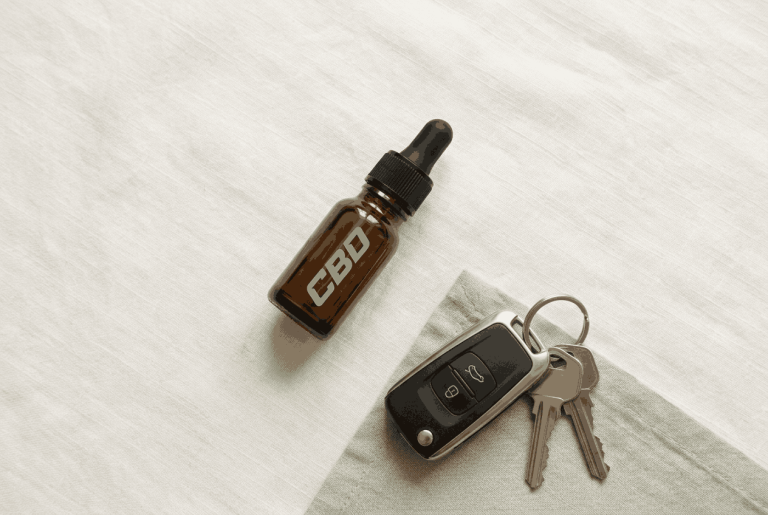
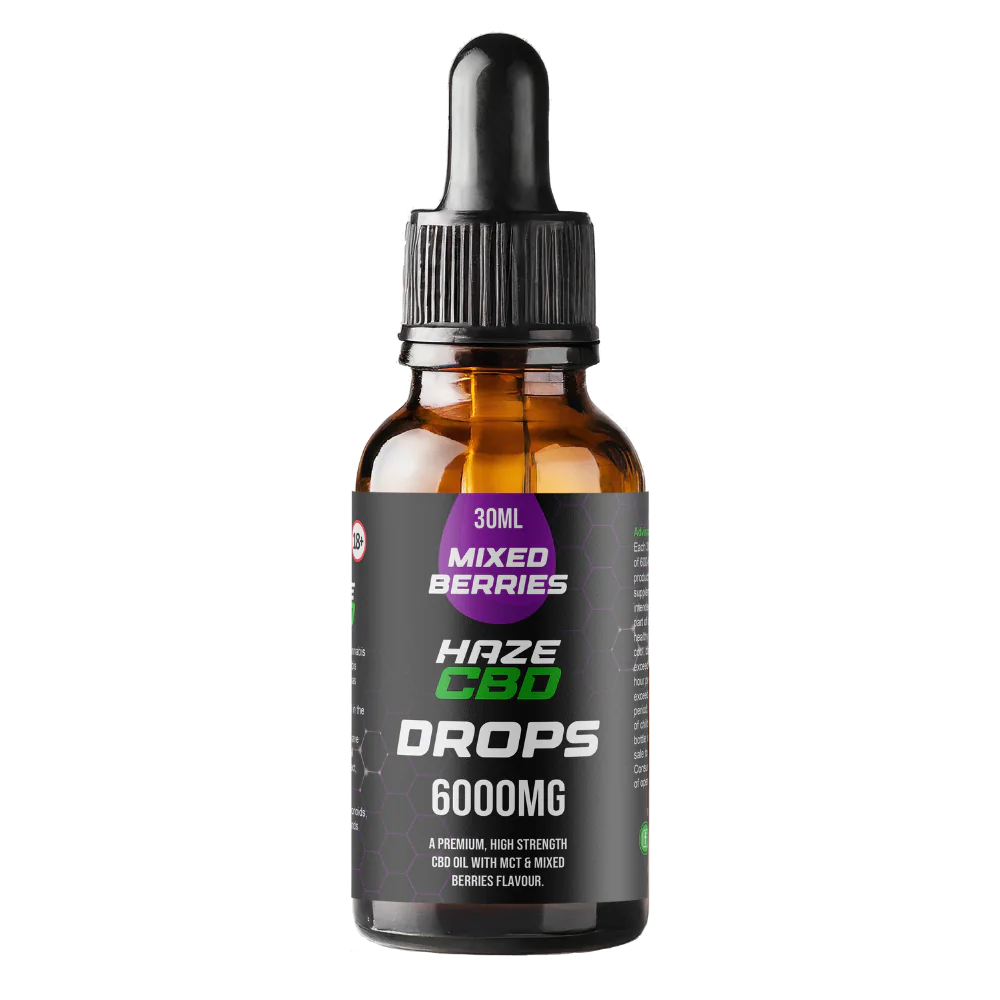 CBD Oral Drops
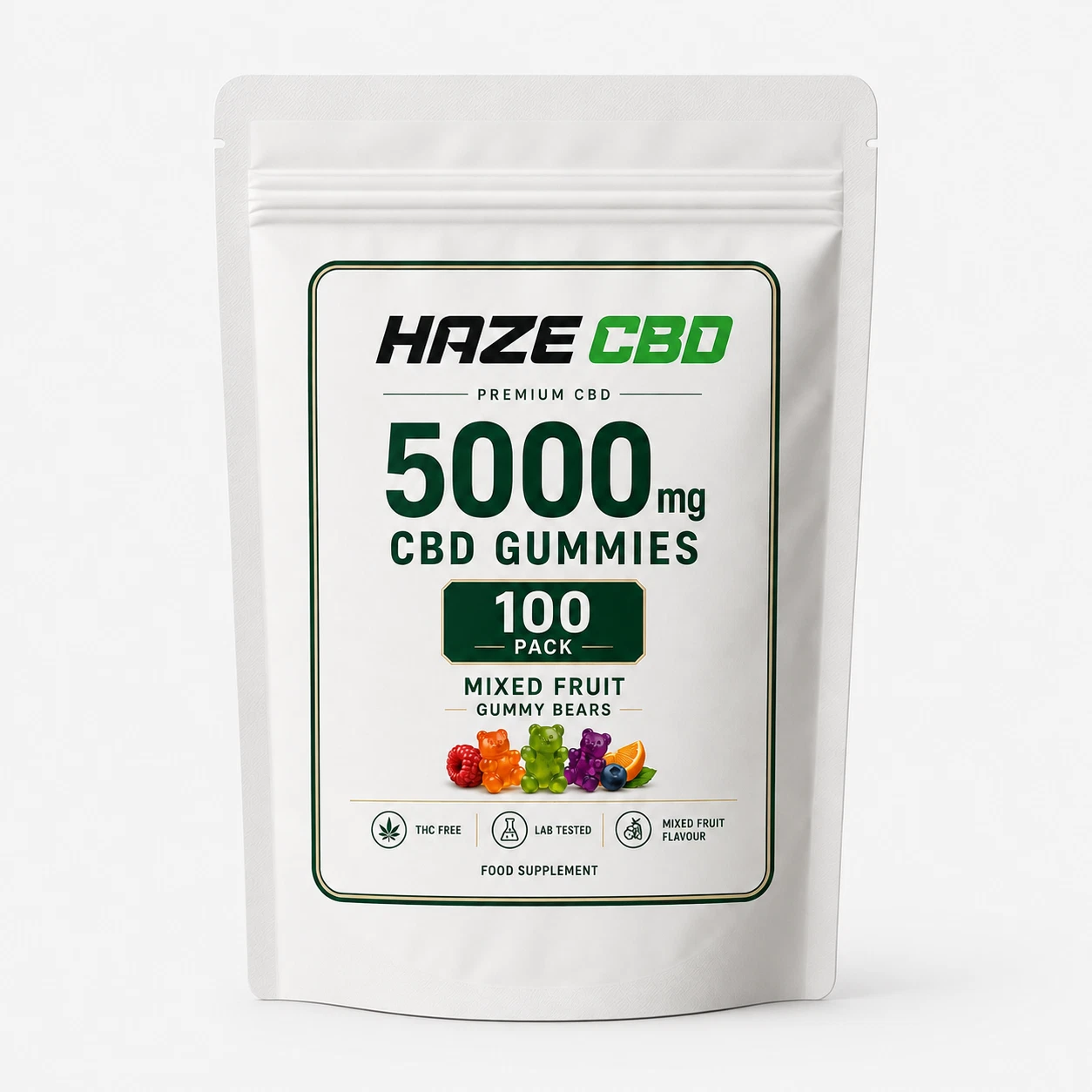 CBD Gummy Bears
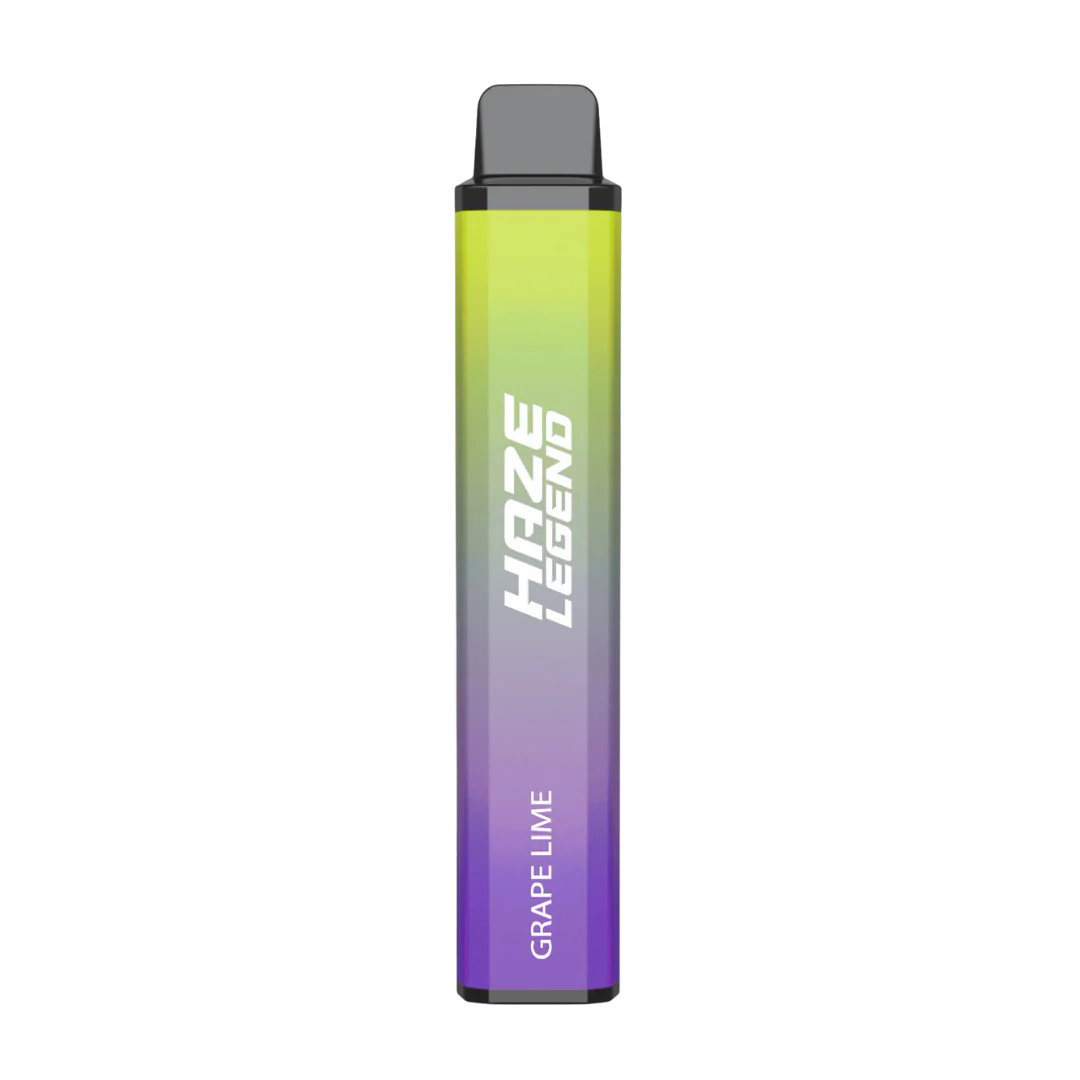 Haze Legend CBD Vape
Keep reading: you may also find UK Vaping Regulations, Will CBD Show Up on a Drug Test? and Are CBD Edibles Legal in the UK? useful; for a related topic, see How Much CBD Oil Should I Take?.
Key takeaways
- CBD isn’t intoxicating, because it doesn’t activate CB1 receptors the way THC does.
- The WHO found no abuse or dependence potential for CBD.
- Legal UK CBD products contain no more than 1mg of THC in the whole product.
- Mislabelled products, non-UK imports and synthetics like HHC can cause intoxication.
- CBD can cause drowsiness, so don’t drive if you feel sleepy.
CBD is a food supplement, not a medicine. Nothing in this article is medical advice. CBD products are not intended to diagnose, treat, cure or prevent any disease. The Food Standards Agency advises healthy adults to take no more than 10mg of CBD a day. If you are pregnant, breastfeeding, taking medication or have a medical condition, speak to a healthcare professional before using CBD.
Does CBD get you high? FAQs
No. CBD isn’t intoxicating. It doesn’t activate the brain’s CB1 receptors the way THC does, so it doesn’t cause a high.
Many people notice little. Some feel more relaxed or sleepy. Side effects can include drowsiness, dry mouth and an upset stomach.
It may have contained more THC than labelled, or a different cannabinoid such as HHC. Stop using it, don’t drive, and consider reporting it to Trading Standards.
CBD comes from the cannabis plant, usually hemp, but it isn’t intoxicating. THC is the compound in cannabis that causes the high.
CBD itself isn’t covered by UK drug-driving limits, but don’t drive if it makes you drowsy. Products containing THC could affect a roadside test.
Explore Haze CBD
CBD oils, gummies and vapes within UK THC limits, independently lab tested.
Shop CBD