Blog
CBD for Menopause UK — Does It Help and What Should You Take?


CBD may help with several common menopause symptoms — particularly sleep disruption, anxiety, mood changes, and joint discomfort — by interacting with the body’s endocannabinoid system, which is closely linked to oestrogen regulation. It is not a replacement for HRT where that is medically appropriate, but many women find it a useful daily support alongside or instead of other approaches. Most report meaningful improvement after 4–8 weeks of consistent use.
Quick Answer
The Most Common Menopause Symptoms CBD Is Used For
Menopause affects every woman differently, but the most commonly reported symptoms UK women use CBD for are:
| Symptom | CBD Evidence | Rated |
|---|---|---|
| Sleep disruption | Strong — multiple RCTs support CBD for sleep | ⭐⭐⭐⭐ |
| Anxiety and mood changes | Strong — well-studied via serotonin receptor interaction | ⭐⭐⭐⭐ |
| Joint pain and inflammation | Moderate — anti-inflammatory mechanism well-evidenced | ⭐⭐⭐ |
| Hot flushes | Limited — anecdotal reports, minimal clinical data | ⭐⭐ |
| Brain fog and focus | Emerging — some evidence via ECS modulation | ⭐⭐ |
| Low libido | Limited — indirect effects via reduced anxiety and better sleep | ⭐⭐ |
Understanding which symptoms respond best to CBD helps you set realistic expectations and choose the right product type.
What the Research Says About CBD and Menopause
There are no large-scale clinical trials specifically on CBD and menopause as of 2026. However, the mechanistic and symptomatic evidence is compelling.
The connection lies in the relationship between oestrogen and the endocannabinoid system (ECS). Oestrogen actively regulates the production and breakdown of anandamide — one of the body’s key endocannabinoids, often called the “bliss molecule.” As oestrogen declines during menopause, anandamide levels can also drop, which researchers believe contributes to the anxiety, poor sleep, and mood instability many women experience.
CBD inhibits FAAH, the enzyme responsible for breaking down anandamide. In doing so, it effectively extends anandamide’s activity — partially compensating for the ECS disruption caused by falling oestrogen.
A 2019 study in The Permanente Journal found that 79.2% of participants reported decreased anxiety and 66.7% reported improved sleep within one month of CBD use — both core menopause complaints. While the study was not menopause-specific, the symptoms addressed are directly relevant.
Hot Flushes and CBD — Is There Evidence?
Hot flushes are the most universally recognised menopause symptom, and one of the areas where CBD evidence is weakest. There is no strong clinical evidence that CBD directly reduces the frequency or severity of hot flushes.
What the research does support is that CBD may reduce the anxiety and sleep disruption that often amplify hot flush severity and impact. Women who report CBD helping with hot flushes may be experiencing the downstream benefit of improved overall nervous system regulation rather than a direct effect on thermoregulation.
If hot flushes are your primary concern, a plant-based supplement with stronger evidence for this specific symptom may be more effective. Nture’s Red Clover Menopause Relief Supplement (£8.99) contains 1,000mg of organic Red Clover flower extract standardised to isoflavones — natural plant compounds that mimic oestrogen’s activity in the body. Clinical data suggests Red Clover isoflavones reduce hot flush frequency by up to 44% after 12 weeks of use, making it one of the most evidence-supported natural options for this specific symptom. Many women use both CBD and Red Clover together, targeting different symptom pathways simultaneously.
CBD for Sleep During Menopause
Sleep disruption is one of the most debilitating aspects of menopause, affecting an estimated 40–60% of menopausal women in the UK according to the British Menopause Society. Night sweats, anxiety, and changing sleep architecture all contribute.
CBD supports sleep through two routes: reducing the pre-sleep anxiety that delays sleep onset, and interacting with receptors involved in the sleep-wake cycle (including adenosine receptors).
Best format for sleep: CBD oil taken sublingually 30–60 minutes before bed, or CBD gummies taken 60–90 minutes before bed. The slow-release action of gummies provides longer-lasting effects through the night than faster-acting formats. A dose of 25–50mg is a common starting point for sleep; some women find higher doses (50–75mg) more effective.
Avoid vaping CBD for sleep unless using it alongside another slow-release format — the duration of effect from vaping is typically 2–3 hours, which is insufficient for overnight sleep support.
CBD for Anxiety and Mood During Menopause
Anxiety and low mood are among the most responsive menopause symptoms to CBD. The mechanism is well-established: CBD activates 5-HT1A serotonin receptors, producing an anxiolytic (anti-anxiety) effect that is distinct from sedation.
For mood and anxiety specifically, consistent daily use produces better results than reactive use. Many women find that maintaining a steady daily dose of 20–40mg — taken in the morning or split morning and evening — provides a more stable baseline mood than taking CBD only when symptoms spike.
CBD gummies are well-suited to daily mood support for their ease of consistent dosing. CBD oil offers more flexibility to adjust dose precisely, which is useful in the early weeks of finding your optimal level.
What Strength CBD Should I Take for Menopause?
Menopause symptoms typically require a moderate-to-higher CBD dose compared to general wellness use. UK guidance from the FSA (Food Standards Agency) sets a maximum recommended daily intake of 70mg for adults, which covers most therapeutic use cases.
Practical starting guide for menopause:
| Symptom Focus | Starting Dose | Target Range |
|---|---|---|
| Mild anxiety / general wellbeing | 10–20mg/day | 20–40mg/day |
| Sleep disruption | 25mg before bed | 40–60mg before bed |
| Moderate anxiety or mood changes | 20–30mg/day | 40–60mg/day |
| Joint pain (alongside topical CBD) | 20–30mg/day | 40–50mg/day |
| Multiple symptoms | 25–30mg/day | 50–70mg/day |
Increase your dose by 5–10mg every 5–7 days until you find the level that works. Give any new dose at least two weeks before judging whether to go higher. See our dedicated guide to what strength CBD for menopause for a full breakdown.
Vape vs Gummies vs Oil — Which Is Best for Menopause?
No single format is best for all women or all symptoms. Here is how to choose:
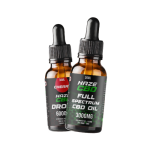
CBD oil (sublingual) — the most flexible option. Fast enough for anxiety (15–45 min onset), precise dosing, cost-effective at higher doses. Best for women managing multiple symptoms who want full dose control.
CBD gummies — the most convenient for daily routine use. Fixed dose per gummy, no taste issues, slow-release (60–90 min onset, 4–6 hour duration). Best for sleep and all-day mood support.
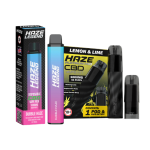
CBD vape — fastest onset (1–3 minutes), shortest duration (2–3 hours). Best for acute anxiety spikes or as an add-on to a slower-acting daily format. Not a standalone solution for menopause symptom management.
CBD topical (cream/balm) — for localised joint pain and skin dryness. Does not enter the bloodstream in meaningful quantities; best used alongside an ingestible format.
Is CBD Safe to Take Alongside HRT?
CBD is generally considered safe to use alongside HRT, but there is one interaction worth understanding. CBD is metabolised by the CYP3A4 enzyme in the liver — the same pathway used by many medications, including some forms of HRT. At high CBD doses, there is potential for this enzyme to be partially inhibited, which could affect how your body processes HRT medication.
In practice, this interaction is considered low-risk at standard CBD doses (below 70mg daily), but it is worth flagging to your GP, particularly if you are on a complex HRT regimen or other medication.
FAQ
Does CBD help with menopause symptoms?
CBD has the strongest evidence for helping with menopause-related sleep disruption and anxiety — two of the most commonly reported symptoms. Evidence for hot flushes is limited. Most women notice meaningful improvement after 4–8 weeks of consistent daily use at moderate doses.
What is the best CBD product for menopause in the UK?
For sleep, CBD oil or gummies taken before bed (25–50mg) are most effective. For all-day anxiety and mood support, a daily CBD oil or gummies routine at 20–40mg works well. For hot flushes specifically, Red Clover isoflavone supplements have stronger clinical evidence than CBD for this particular symptom.
What strength CBD should I take for menopause?
Most women managing menopause symptoms find a daily dose of 30–60mg effective, depending on symptom severity. Start at 20–25mg and increase gradually. The FSA’s recommended daily maximum is 70mg. See our full menopause dosage guide for product-specific guidance.
Can I take CBD and Red Clover together for menopause?
Yes — CBD and Red Clover work through different mechanisms and can be used together. CBD primarily targets anxiety, sleep, and mood via the endocannabinoid and serotonin systems. Red Clover isoflavones act as phytoestrogens and are most effective for hot flushes and hormonal balance. Many women find combining both covers a wider range of symptoms than either alone.
Is CBD a substitute for HRT during menopause?
No. CBD is not a substitute for HRT where HRT is medically recommended. HRT addresses the hormonal root cause of menopause symptoms directly; CBD works on symptom management via the ECS. For women who cannot take HRT or choose not to, CBD and evidence-based supplements like Red Clover can provide meaningful support — but discuss your options with your GP.
How long does CBD take to work for menopause?
Most women notice initial effects within 1–2 weeks. Fuller benefits — particularly for sleep and anxiety — develop over 4–8 weeks of daily consistent use. Vaping produces effects within minutes for acute symptoms but does not build the sustained baseline that daily oil or gummies provide.
Key Takeaways
- CBD is most effective for menopause-related sleep and anxiety — the evidence here is strong
- Hot flushes respond better to Red Clover isoflavones than to CBD — consider combining both for full symptom coverage
- 30–60mg daily is the typical effective range for menopause symptoms
- CBD oil or gummies are better suited to menopause management than vaping alone
- CBD is safe alongside HRT at standard doses — always inform your GP