CBD for Muscle Recovery After the Gym: Does It Help?


CBD for Muscle Recovery After the Gym: Does It Help?
Thinking about CBD for muscle recovery after training? Here’s what the research actually says, how gym-goers use it, and how to stay within UK safety guidance.
Does CBD help with muscle recovery?
Research on CBD and exercise recovery is still at an early stage. A handful of small studies have looked at muscle soreness and recovery markers with mixed results, so there is no solid evidence yet that CBD speeds up recovery.
Some gym-goers include CBD in their evening wind-down routine. If you try it, choose a lab-tested product, stay within the FSA’s 10mg-a-day guidance, and keep sleep, protein and rest days as the foundations of your recovery.

What causes post-gym soreness?
This guide to CBD for gym recovery covers what you need to know, using UK guidance and the latest evidence. When you train hard — especially with new exercises or lots of eccentric work, like lowering a weight slowly — you create small amounts of damage in your muscle fibres. Your body repairs this over the following days, and the stiffness you feel 24–72 hours later is known as delayed onset muscle soreness (DOMS).
DOMS is a normal part of adapting to training, not an injury, and it usually eases within a few days on its own. Sharp pain, swelling, or pain that doesn’t improve is different — get that checked by a GP or physiotherapist.
What does the research say about CBD and recovery?
CBD has become popular with gym-goers and athletes, but the science is still catching up. A 2020 narrative review in Sports Medicine – Open looked at the evidence on CBD in sport and concluded that, while there is interest in its potential, high-quality studies in athletes are lacking.
Small trials looking specifically at muscle soreness after exercise have produced mixed results, and they use very different doses and products, which makes them hard to compare. In short: there isn’t enough evidence to say CBD helps you recover faster.
We won’t tell you CBD will fix DOMS — the evidence doesn’t support that, and UK rules don’t allow food supplements to make medical claims. What we can do is help you make an informed choice if you decide to try it.
How gym-goers use CBD
People who include CBD in their training routine tend to use it in a few common ways:
- As part of an evening wind-down routine on training days.
- As a consistent daily supplement rather than only on sore days.
- Alongside — not instead of — the basics: sleep, protein, hydration and planned rest days.
If sleep is where your recovery suffers, our guide to CBD and sleep covers what the research says in more detail.
Which CBD format suits a training routine?
Different formats take effect at different speeds. These are typical ranges and vary from person to person:
| Format | Typical onset | Typical duration | Often used for |
|---|---|---|---|
| CBD gummies | 45–90 min | 4–6 hours | Convenient, pre-measured daily use |
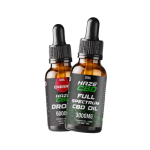
| CBD oil drops | 15–45 min | 3–5 hours | Measuring small amounts, evening routines |
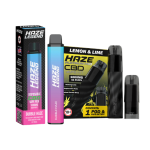
| CBD vape | A few minutes | 1–3 hours | Quick onset, occasional use |
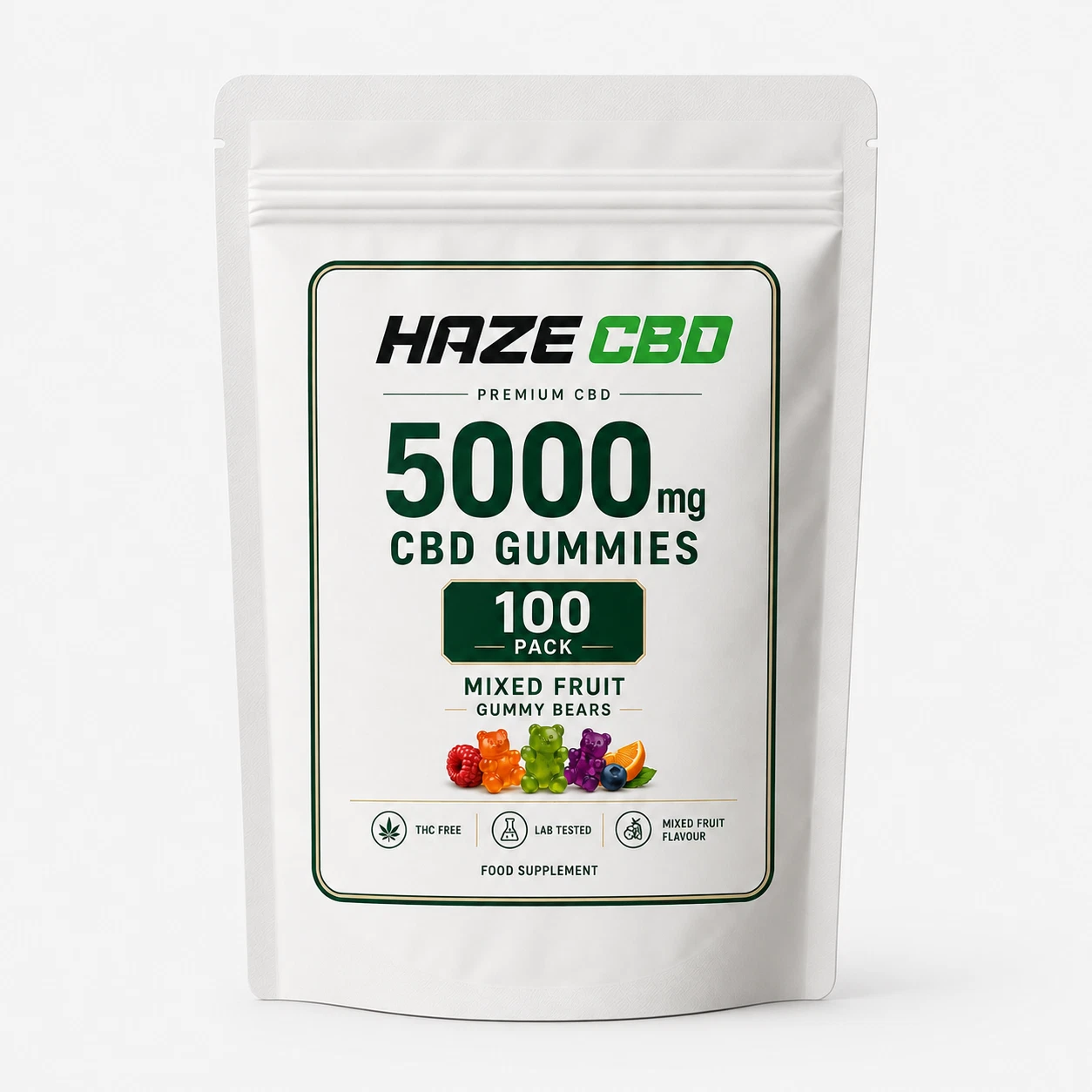 CBD Gummy Bears
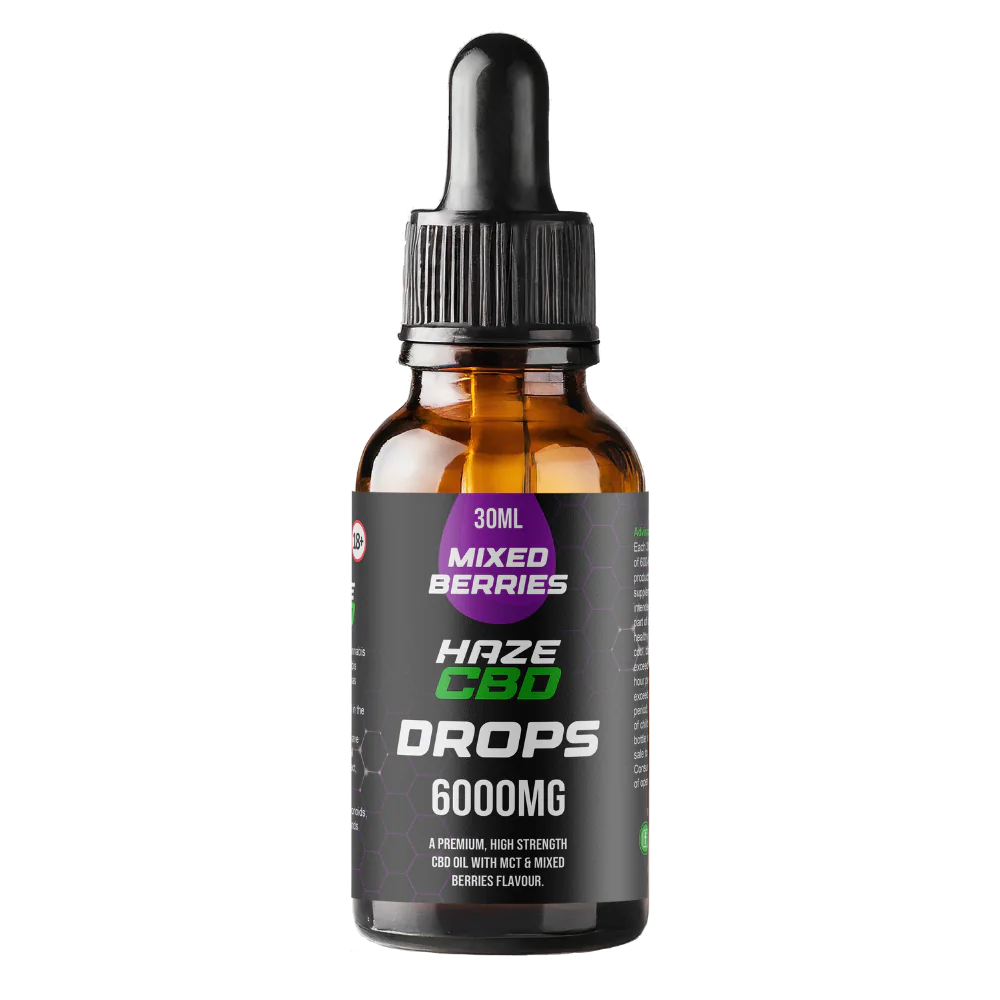 CBD Oral Drops
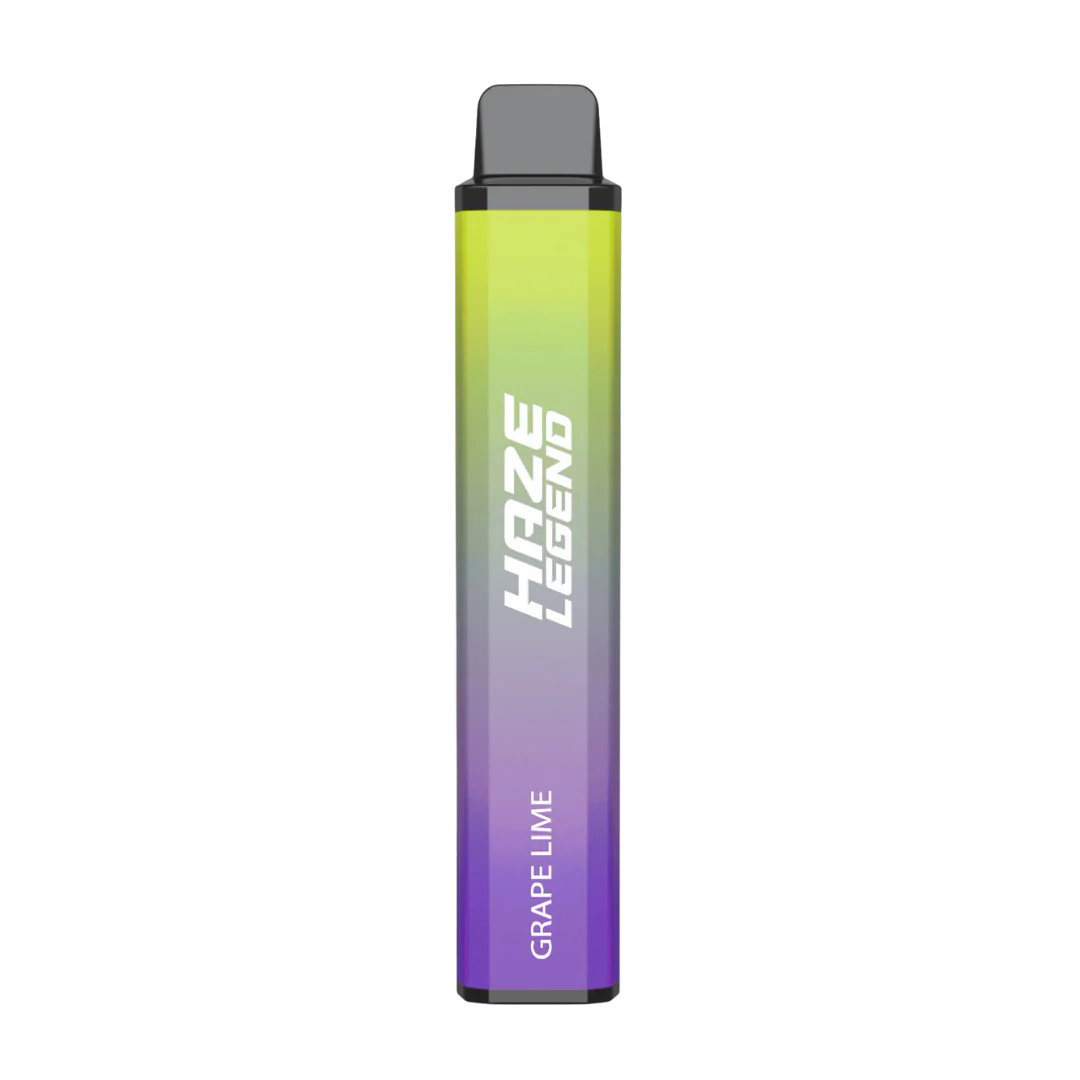 Haze Legend CBD Vape
Whichever format you choose, check the CBD content per serving on the label so you know exactly how much you’re taking.
How much CBD is sensible?
In October 2023 the Food Standards Agency updated its advice: healthy adults should take no more than 10mg of CBD a day — roughly 4–5 drops of a 5% CBD oil. It’s precautionary advice based on the long-term safety data available.
Many products contain more than 10mg per serving, so check the label and adjust your serving if needed. If you take any medication — including painkillers — speak to a pharmacist or GP before using CBD, as it can interact with some medicines.
For more on serving sizes, see our CBD dosage guide. If you’ve been using CBD for a while, read about CBD tolerance.
CBD and painkillers: what to know
Some people ask whether CBD can replace ibuprofen after training. CBD is a food supplement and shouldn’t be used in place of medicines or medical advice. If you regularly need painkillers to keep training, that’s a sign to review your programme or speak to a professional.
Because CBD can affect how the liver processes some medicines, always check with a pharmacist before combining it with prescription or over-the-counter medication.
Competing athletes: drug-testing considerations
The World Anti-Doping Agency removed CBD from its Prohibited List in 2018, but THC and most other cannabinoids are still banned in competition. Some CBD products contain trace THC, so if you are tested, choose products with batch-specific lab reports and follow UK Anti-Doping guidance.
Our guide to CBD and UK drug tests explains the risks in more detail, and CBD for athletes covers sport-specific questions.
More on CBD for gym recovery
Keep reading: for the full picture, start with CBD Beyond the Hype; you may also find Should You Try CBD Drinks When You’re Stressed?, Is CBD Addictive? and 7 Claimed CBD Oil Benefits useful. For the latest UK guidance relevant to CBD for gym recovery, see the Food Standards Agency’s CBD advice.
Key takeaways
- DOMS is a normal part of training and usually clears within a few days.
- Evidence that CBD speeds up muscle recovery is limited and mixed.
- If you try CBD, choose a lab-tested product and stay within the FSA’s 10mg-a-day guidance.
- Sleep, nutrition and rest days remain the foundations of recovery.
- Check with a pharmacist if you take medication, and check anti-doping rules if you compete.
CBD is a food supplement, not a medicine. Nothing in this article is medical advice. CBD products are not intended to diagnose, treat, cure or prevent any disease. The Food Standards Agency advises healthy adults to take no more than 10mg of CBD a day. If you are pregnant, breastfeeding, taking medication or have a medical condition, speak to a healthcare professional before using CBD.
CBD and gym recovery — frequently asked
There isn’t enough evidence to say CBD reduces DOMS. A few small studies have looked at it, with mixed results. DOMS normally eases on its own within a few days — sleep, good nutrition and gradual progression in your training are the most reliable ways to manage it.
There’s no proven best time. Most people who use CBD take it after training or as part of an evening routine rather than before a session, and consistent daily use is easier to judge than occasional use. Whatever you choose, stay within the FSA’s guidance of no more than 10mg a day.
The Food Standards Agency advises healthy adults to take no more than 10mg of CBD a day — about 4–5 drops of a 5% CBD oil. Check the CBD content per serving on the label, as many products contain more than this in a single serving.
It comes down to preference. A CBD vape takes effect within minutes but wears off sooner; gummies take 45–90 minutes but last longer. Oil drops sit in between and make it easier to measure small amounts.
The FSA’s advice is that healthy adults can take up to 10mg a day. CBD isn’t recommended if you are pregnant or breastfeeding, and you should speak to a pharmacist or GP first if you take any medication.
There’s no good evidence that CBD improves strength, speed or endurance. CBD itself is not on WADA’s Prohibited List, but THC is banned in competition and some CBD products contain trace amounts — if you are tested, use products with batch-specific lab reports and check UK Anti-Doping guidance.
Browse lab-tested Haze CBD gummies
Every batch third-party lab tested and made in the UK. Free next-day delivery over £20.
Shop CBD gummies