Blog
CBD for Athletes UK — Benefits, Legality and How to Use It


Quick Answer
CBD is legal for athletes in the UK. The World Anti-Doping Agency (WADA) removed CBD from its prohibited substances list in 2018 — meaning competitive athletes at all levels can use it without risking a ban. CBD cannot get you high, is not addictive, and has no performance-enhancing effect in the traditional sense. It is used by athletes primarily for post-training recovery, sleep quality, and anxiety management — three areas with meaningful evidence behind them.

Is CBD Legal in Sport UK? The WADA Position
This is the question every athlete asks first — and the answer is clear.
Since Cannabidiol (CBD) has been accepted by the World Anti-Doping Agency (WADA), CBD is quickly gaining popularity as a useful aid in every athlete’s training toolkit. WADA removed CBD from the prohibited substances list in January 2018. This means CBD is permitted for use by athletes competing under WADA’s code — which covers the vast majority of professional and amateur sport globally, including Olympic sports, athletics, cycling, rugby, football, and combat sports.
The critical distinction to understand:
| Substance | WADA Status | Legal in UK Sport |
|---|---|---|
| CBD (cannabidiol) | ✅ Permitted since 2018 | Yes |
| THC (tetrahydrocannabinol) | ❌ Prohibited in competition | No |
| Full-spectrum CBD (trace THC) | ⚠️ Use with caution | Risk of positive test |
| CBD isolate (zero THC) | ✅ Safe for athletes | Yes |
The most important rule for competing athletes: Only CBD isolate products — confirmed zero THC by a third-party certificate of analysis — are completely safe from a drug-testing perspective. Professional athletes should be aware of taking supplements other than CBD isolate; full-spectrum and broad-spectrum CBD may contain other substances such as prohibited THC.
If you compete at any level where drug testing applies, use CBD isolate only and always verify with a current batch COA before use.
Why Athletes Use CBD — The Evidence
Post-Exercise Recovery and Inflammation
The most well-evidenced use case for CBD in athletic contexts is inflammation management. One major way in which CBD oil can aid athletes is through pain reduction and reducing inflammation after a workout. Reducing inflammation after a really hard workout could speed up recovery. More serious injuries usually contain a high level of inflammation, so the reduction of swelling can help reduce pain.
CBD interacts with CB2 receptors in the immune system — the primary mechanism through which it reduces inflammatory cytokine production. For athletes, this means reduced DOMS (delayed onset muscle soreness), faster tissue recovery between sessions, and potentially shorter downtime after intense training blocks.
CBD is fast becoming the go-to supplement for anyone looking to reduce downtime between training sessions.
Sleep Quality
Sleep is where the majority of athletic adaptation happens — muscle repair, hormone production, and neural consolidation all occur during deep sleep. CBD’s interaction with adenosine receptors supports natural sleep pressure and reduces the anxiety-driven sleep disruption that many athletes experience the night before competition.
A 2020 study in the Cureus Journal of Medical Science found 66.7% of participants reported improved sleep scores within one month of daily CBD use. For athletes whose performance is directly linked to recovery quality, consistently better sleep is one of the most meaningful benefits CBD offers.
Anxiety and Pre-Competition Nerves
Performance anxiety — the pre-competition nervousness that impairs focus and execution — is one of the most commonly cited reasons athletes turn to CBD. CBD activates 5-HT1A serotonin receptors, producing a clinically validated anxiolytic effect without sedation or impaired reaction time.
A 2019 review in The Permanente Journal found 79.2% of participants reported decreased anxiety within one month of daily CBD use. For athletes, the fast-acting nature of CBD vaping (1–3 minute onset) makes it a practical option for managing acute pre-competition anxiety without affecting alertness or physical performance.
What the Science Says — Does CBD Actually Help Athletic Performance?
To be clear: CBD is not a performance enhancer in the traditional sense. It does not increase strength, speed, or cardiovascular capacity. What it does is support the conditions that allow peak performance — recovery, sleep, and anxiety management.
Its positive effect on sleep quality and stress management added to overall performance, especially on competition days when maximum performance is awaited. Daily doses of CBD may just prove to be the missing ingredient in an otherwise hyper-fit lifestyle.
The research directly comparing athletes using CBD to those who don’t is still limited — this is a relatively new field of study. What is well-established is the mechanism: CBD’s anti-inflammatory properties via CB2 receptors, its anxiolytic properties via serotonin receptors, and its sleep-supporting properties via adenosine receptors all have direct relevance to athletic performance and recovery.
Which CBD Format Is Best for Athletes?
Different goals call for different formats. Here is how to choose:
| Format | Onset | Duration | Best For |
|---|---|---|---|
| CBD gummies | 45–90 min | 4–6 hours | Recovery, sleep, daily routine |
| CBD oil drops | 15–45 min | 3–5 hours | Pre-sleep, flexible daily dosing |
| CBD vaping | 1–3 min | 1–3 hours | Pre-competition anxiety, fast relief |
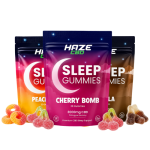
For post-training recovery: Haze CBD Gummies (1000mg — 50mg per gummy) taken 60–90 minutes after training support the inflammatory response during the recovery window. The longer duration of gummies (4–6 hours) provides sustained coverage through the critical post-exercise period.
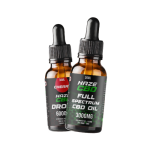
For sleep: Haze CBD Oral Drops (Full Spectrum 3000mg) taken 30–45 minutes before bed. The sublingual absorption is faster than gummies and the complete cannabinoid profile — including CBN — adds additional sedating properties suited to deep recovery sleep.
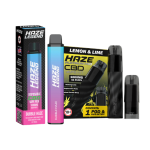
For pre-competition anxiety: Haze CBD Vape Juice provides effects within 1–3 minutes, making it the most practical format for managing acute anxiety immediately before performance. The short duration (1–3 hours) ensures effects do not carry over into competition in an undesirable way.
CBD Dosage for Athletes — Where to Start
Athletes often require higher CBD doses due to their elevated metabolic rates and muscle density. It is recommended to start with a low dose and gradually increase it until reaching a daily dose of 25mg to 40mg. It can take up to six weeks for any of the effects to kick in.
Practical dosage guide for athletic use:
| Goal | Starting Dose | Working Range | Format |
|---|---|---|---|
| Daily recovery support | 25mg/day | 50–100mg/day | Gummies or oil |
| Post-training inflammation | 50mg post-session | 50–100mg post-session | Gummies |
| Sleep improvement | 25mg before bed | 50–75mg before bed | Oil drops |
| Pre-competition anxiety | 2–3 puffs | 3–5 puffs | Vape |
Build up gradually over 2–4 weeks. CBD’s effects are cumulative — the full benefit develops with consistent daily use rather than from a single dose.
Important Note for Competing Athletes
If you compete in a sport governed by WADA or UK Anti-Doping (UKAD), follow these rules:
- Use CBD isolate only — never full-spectrum or broad-spectrum products
- Verify with a COA — check the certificate of analysis for your specific batch confirms THC as “not detected”
- Check your sport’s governing body — some national governing bodies have additional rules beyond WADA’s
- Do not assume “CBD legal” means all cannabis products are permitted — THC remains a prohibited substance in competition
Haze CBD’s 500mg and 1000mg gummies and the 6000mg flavoured oral drops use CBD isolate — zero THC — making them the appropriate choice for competing athletes.
CBD for Athletes FAQ
Is CBD legal for athletes in the UK?
Yes — WADA removed CBD from its prohibited substances list in 2018. CBD is permitted for athletes competing under WADA’s code, including Olympic, professional, and amateur sport. THC remains prohibited in competition. Only CBD isolate products (zero THC) are completely safe from a drug-testing perspective — full-spectrum products containing trace THC carry a small but real risk.
Will CBD affect my athletic performance negatively?
No — CBD does not impair reaction time, coordination, strength, or cognitive function at standard doses. It is non-psychoactive and non-sedating at normal use levels. High doses may cause mild drowsiness in some people — avoid very high doses immediately before training or competition.
Can professional athletes take CBD?
Yes. WADA’s removal of CBD from the prohibited list applies to professional athletes competing under the WADA code. However, the responsibility lies with the athlete to verify that their product contains no prohibited substances. Always use CBD isolate with a current batch COA and check your specific sport’s governing body rules.
What is the best CBD product for gym recovery?
For gym recovery, CBD gummies (50mg per gummy) taken post-workout support the inflammatory response during the recovery window. CBD isolate products are recommended for anyone who might be drug tested. For sleep-focused recovery, CBD oil drops taken before bed are effective for improving deep sleep quality.
How long does CBD take to work for sports recovery?
Full anti-inflammatory and recovery benefits develop over 2–4 weeks of consistent daily use. Individual doses reduce acute post-exercise soreness within 1–2 hours. For sleep benefits, most people notice improvement within 1–2 weeks of nightly use. Allow a full 4–6 weeks before assessing the overall impact on your training and recovery.
Does CBD help with DOMS (delayed onset muscle soreness)?
CBD’s anti-inflammatory mechanism via CB2 receptor activation is directly relevant to DOMS — which is driven by the inflammatory response to muscle microtrauma. While large-scale clinical trials specifically on CBD and DOMS are limited, the mechanistic evidence is consistent with the widely reported anecdotal benefit among athletes and gym users.
Key Takeaways
- CBD is legal in sport — WADA removed it from the prohibited list in 2018
- Use CBD isolate if you compete — full-spectrum and broad-spectrum carry a THC risk
- Primary benefits for athletes are recovery, sleep, and anxiety — not direct performance enhancement
- Start at 25–50mg daily and build over 2–4 weeks for full effect
- Format matters — gummies for recovery, oil for sleep, vaping for pre-competition anxiety
- Always check your batch COA before use if you are subject to drug testing