Blog
CBD Beyond The Hype And Its Surprising Benefits


In recent years, the wellness industry has been abuzz with one trending topic: CBD. Short for cannabidiol, CBD is a compound found in the cannabis plant. Unlike its more famous cousin, THC (tetrahydrocannabinol), CBD doesn’t produce the “high” commonly associated with marijuana. Instead, it’s been touted for a variety of health benefits, from pain relief to anxiety reduction. But what does the science say? And how can you incorporate cannabidiol into your daily routine? Let’s dive in.
1. The Science Behind Cannabidiol
CBD interacts with the body’s endocannabinoid system (ECS). The ECS is involved in regulating a variety of functions including sleep, appetite, pain, and immune system response. While research is still in its early stages, there’s growing evidence to suggest that CBD can help with:
- Pain Relief: Studies have shown that cannabidiol may help reduce chronic pain by impacting endocannabinoid receptor activity, reducing inflammation, and interacting with neurotransmitters.
- Anxiety and Depression: CBD has been shown to act on the brain’s receptors for serotonin, a neurotransmitter that regulates mood and social behavior. This could explain its potential in treating anxiety and depression.
- Neuroprotective Properties: Researchers believe that cannabidiol’s ability to act on the endocannabinoid system and other brain signaling systems may provide benefits for those with neurological disorders.

2. Choosing the Right Product
With the explosion of cannabidiol products on the market, it’s essential to choose wisely. Here are some tips:
- Source: Look for products made from organically grown hemp.
- Extraction Method: CO2 extraction is considered the gold standard as it ensures that CBD retains its purity throughout the process.
- Third-Party Testing: Always opt for brands that undergo third-party testing to ensure the product’s quality and potency.
3. Incorporating CBD into Your Routine
CBD works with the body’s system, known as the endocannabinoid system. This controls sleep, appetite, pain, and immune responses. Research shows CBD may help with:
Pain Relief: Cannabidiol can reduce chronic pain by affecting receptors, lowering inflammation, and interacting with neurotransmitters.
Depression and Anxiety: CBD works on serotonin receptors in the brain. These receptors regulate mood and social behaviour, potentially helping with anxiety and depression.

Reaction of the Brain: Cannabidiol acts on the endocannabinoid system and brain signaling, which may help people with neurological disorders.
There are various ways to use cannabidiol, depending on your preference and the desired effect:
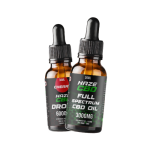
Tinctures: These CBD oral liquid drops can be placed under the tongue. Or even added to food.
Safety and Potential Side Effects
While cannabidiol is safe, it may cause side effects in some people. This includes diarrhoea, changes in appetite, and fatigue. So it’s always a good idea to speak with a healthcare professional before starting any new supplement, including cannabidiol.
Conclusion
CBD’s popularity keeps on growing. While research reveals its potential benefits, this natural compound has a lot to offer. If you want to manage pain or anxiety naturally, cannabidiol is worth exploring. Research it and talk to a healthcare professional to make sure it’s right for you.

Frequently Asked Questions
How long does it take for CBD to work?
It depends on how you use it. Vaping or sublingual tinctures work within minutes. Edibles take an hour or more.
Are there any side effects of cannabidiol?
Many people tolerate CBD well. However, some experience fatigue, diarrhea, or appetite changes.
What’s the right cannabidiol dosage?
Dosage varies based on body weight, the condition you’re treating, and product concentration. Start with a low dose (5-10mg) and increase gradually until you find what works for you.
Is cannabidiol legal?
CBD legality varies by location. In many places, CBD derived from hemp with less than 0.3% THC is legal, but check your local laws before purchasing.