CBD and Driving in the UK: Is It Legal and Safe?


CBD and Driving in the UK: Is It Legal and Safe?
Can you drive after taking CBD? Here’s what UK drug-driving law says, what roadside tests check for, and how to choose CBD products if you drive.
Can you drive on CBD in the UK?
CBD isn’t a controlled drug in the UK, so driving after taking it isn’t illegal. Roadside and blood tests look for THC, not CBD.
The risk comes from full-spectrum products that can contain trace THC. If you drive regularly — especially for work — choose broad-spectrum or isolate products with a lab report showing THC as “not detected”, and don’t drive if CBD makes you drowsy.

Is it legal to drive after taking CBD in the UK?
This guide to CBD and driving covers what you need to know, using UK guidance and the latest evidence. Yes. CBD (cannabidiol) isn’t a controlled drug in the UK, and there’s no law against driving after taking it.
The law that matters is the Drug Driving (Specified Limits) (England and Wales) Regulations 2014, which sets legal blood limits for specific drugs. CBD isn’t on that list — but THC (delta-9-tetrahydrocannabinol), the intoxicating compound in cannabis, is. The limit for THC is just 2 micrograms per litre of blood in England and Wales, and Scotland uses the same limit.
Separately, it’s always an offence to drive while your driving is impaired by any drug — legal or not. So the two things to think about are: does your product contain THC, and do you feel fit to drive?
This article is general information, not legal advice. For advice on your specific situation, speak to a qualified solicitor.
What do roadside drug tests check for?
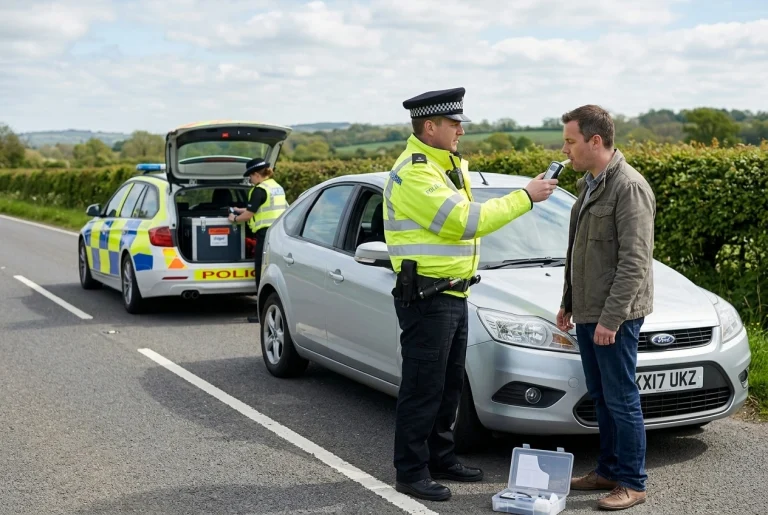
Roadside tests don’t look for CBD. Police in England and Wales use a saliva “drugalyser” that screens for cannabis (THC) and cocaine at the roadside. Other drugs can be identified later through a blood test at the police station.
| Test | What it looks for | Relevant to CBD users? |
|---|---|---|
| Roadside saliva screen | THC and cocaine | Only if your product contains THC |
| Evidential blood test | Specified drugs, including THC | Only if your product contains THC |
If a roadside screen is positive, you’ll usually be asked for a blood sample, which is analysed in a lab. Both tests look for THC, not CBD — so CBD itself won’t make you fail. The risk comes from THC in some CBD products.
Full-spectrum, broad-spectrum or isolate: which is safest for drivers?
This is the most important distinction if you drive regularly.
- Full-spectrum CBD contains a range of naturally occurring cannabinoids, which can include trace THC. Legal UK CBD products must contain no more than 1mg of THC per product, but with regular, high-strength use, trace THC could build up and show in a test.
- Broad-spectrum CBD contains several cannabinoids but has had THC removed during processing.
- CBD isolate is pure CBD with no other cannabinoids.
| Product type | THC present? | Drug-test risk |
|---|---|---|
| Full-spectrum CBD | Trace amounts possible | Low but possible |
| Broad-spectrum CBD | Removed | Very low |
| CBD isolate | None | Lowest |
If you drive for work or are subject to drug testing, choose broad-spectrum or isolate products and check the lab report shows THC as “not detected”.
How long after taking CBD should you wait before driving?
CBD isn’t intoxicating in the way THC is, and there’s no good evidence that CBD on its own impairs driving at typical amounts. A small 2020 trial published in JAMA found no significant effect of CBD-dominant cannabis on simulated driving, unlike THC.
A few sensible precautions still apply:
- Some people feel drowsy after CBD. If you feel sleepy, don’t drive.
- If you’re new to CBD, find out how it affects you before getting behind the wheel.
- Combining CBD with alcohol or other sedating medicines can increase drowsiness — don’t drive.
Stay within the Food Standards Agency’s guidance of no more than 10mg of CBD a day. For most people, the type of product matters more than the timing.
CBD vapes and driving
The same principles apply to vaping: CBD itself won’t cause a failed test, but a full-spectrum e-liquid could contain trace THC. Never vape while driving — it’s a distraction, and you can be stopped for not being in proper control of your vehicle.
When buying CBD vape products in the UK, look for:
- A certificate of analysis (COA) from an independent lab.
- THC shown as “not detected” on the lab report.
- Clear labelling as broad-spectrum or isolate.
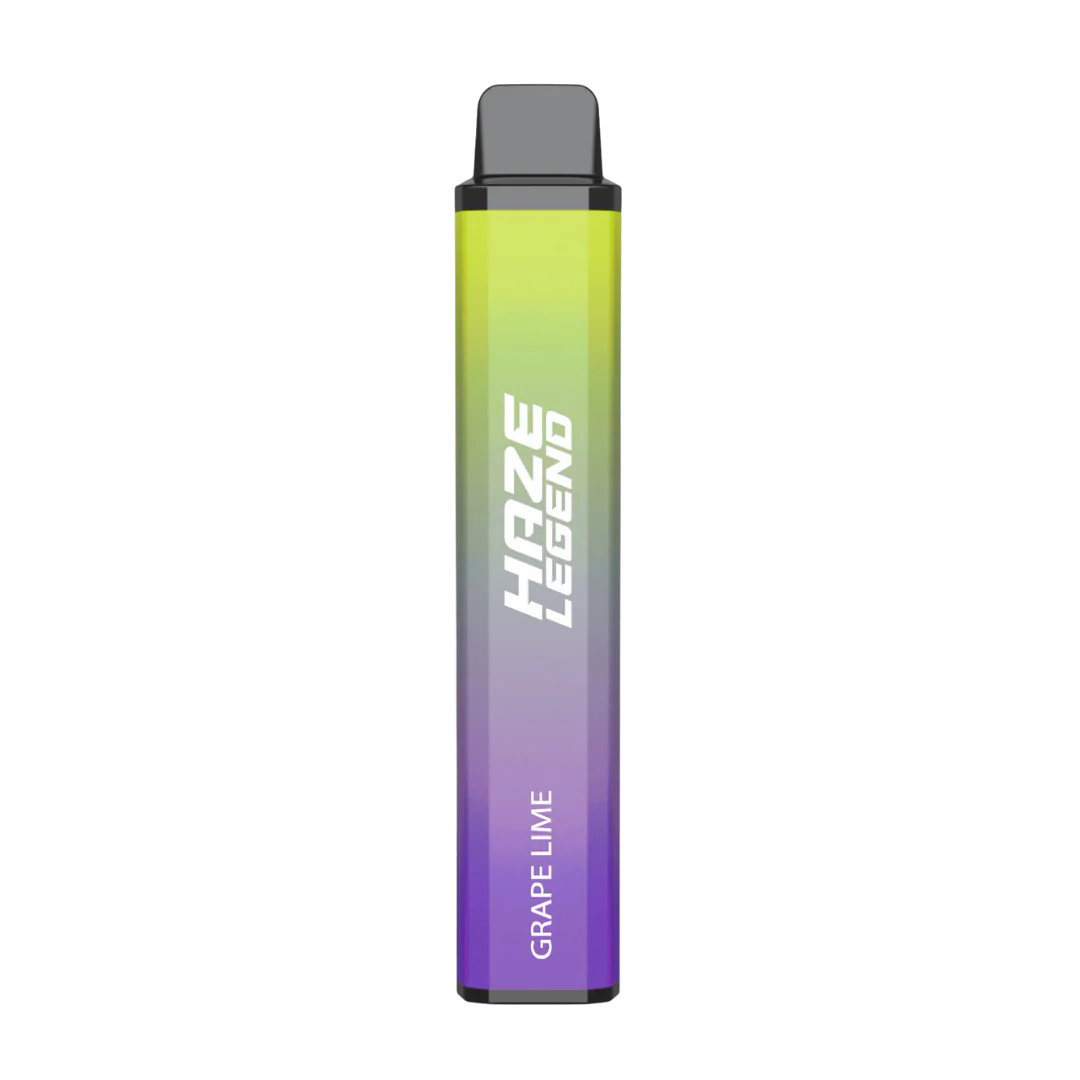 Haze Legend CBD Vape
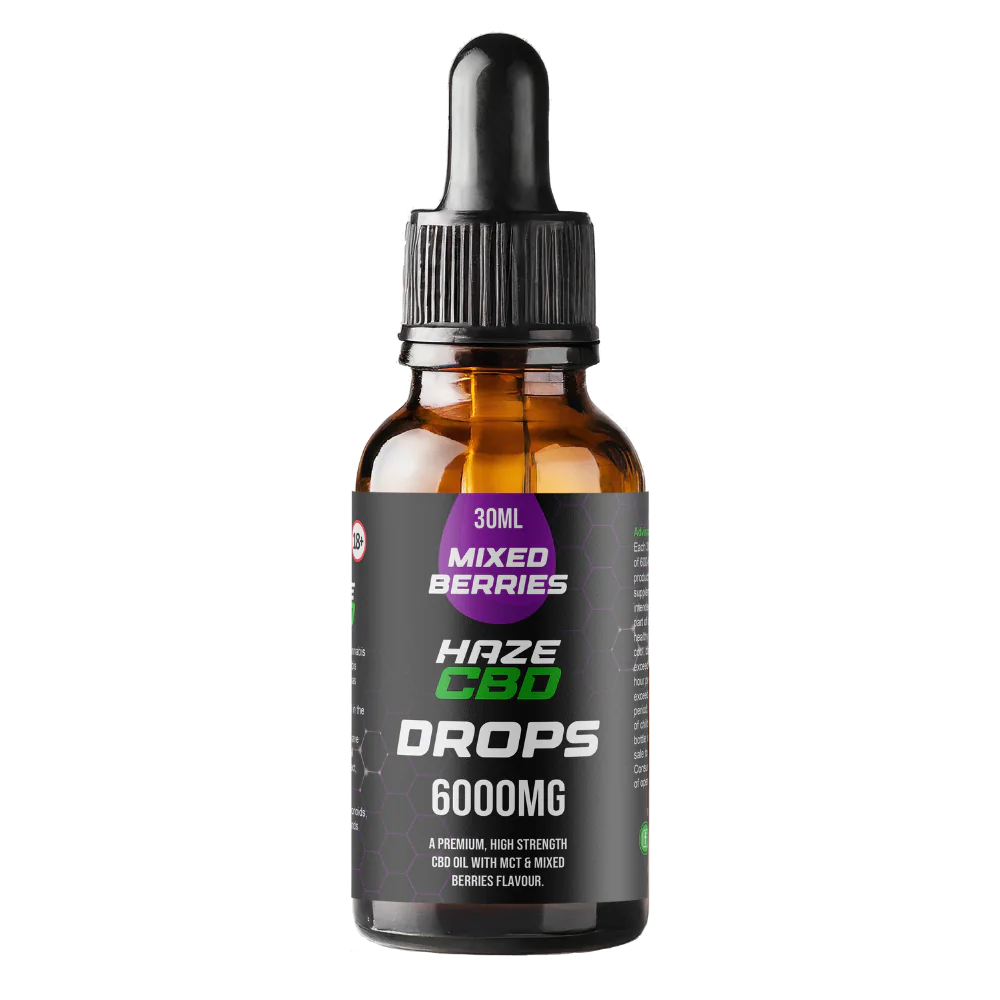 CBD Oral Drops
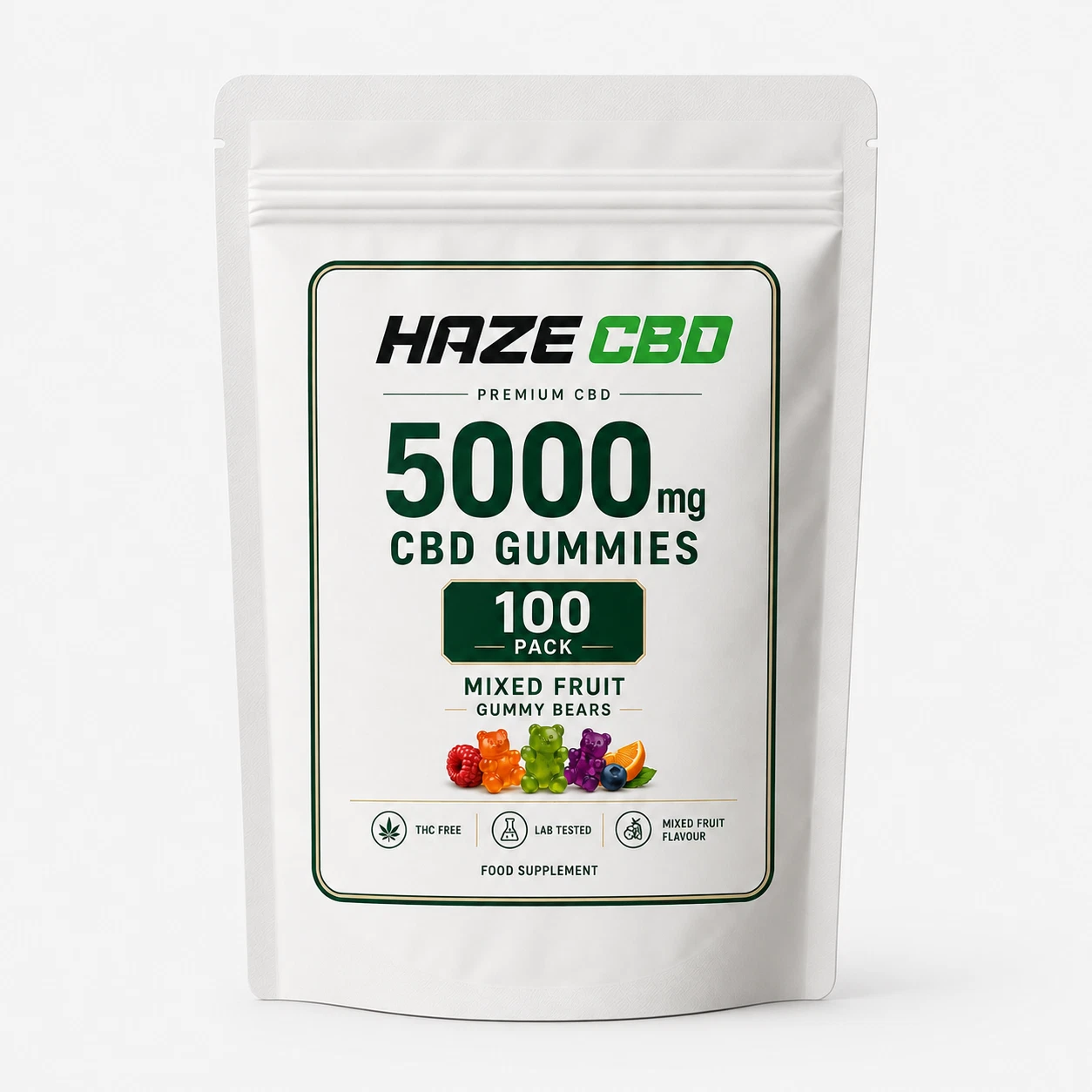 CBD Gummy Bears
See our guide to CBD vape juice vs other CBD products for a full breakdown of formats, and does CBD show up on UK drug tests for more on testing.
What happens if you fail a roadside drug test after taking CBD?
A positive roadside screen doesn’t automatically mean prosecution. The usual process is:
- A positive roadside screen leads to an evidential blood test.
- The blood sample is analysed in a lab for specified drugs.
- If THC is found at or above 2 micrograms per litre, you could be charged with drug driving.
Prosecutions based only on trace THC from legal CBD products are unusual, but the risk isn’t zero — and a drug-driving conviction carries a minimum one-year driving ban. The simplest way to remove the risk is to use THC-free products.
If you’re a professional driver (HGV, taxi, bus) or work in a safety-critical role, your employer may have a zero-tolerance policy that goes further than the law.
More on CBD and driving
Keep reading: for the full picture, start with Is CBD Legal in England?; you may also find Will CBD Show Up on a Drug Test?, UK Vaping Regulations and Are CBD Edibles Legal in the UK? useful; for a related topic, see How Much CBD Oil Should I Take?. For the latest UK guidance relevant to CBD and driving, see the Food Standards Agency’s CBD advice.
Key takeaways
- Driving after taking CBD isn’t an offence in the UK.
- Roadside and blood tests look for THC, not CBD.
- Full-spectrum CBD can contain trace THC — choose broad-spectrum or isolate if you drive.
- Don’t drive if CBD makes you drowsy, and never combine it with alcohol before driving.
- Professional drivers should use THC-free products only.
CBD is a food supplement, not a medicine. Nothing in this article is medical advice. CBD products are not intended to diagnose, treat, cure or prevent any disease. The Food Standards Agency advises healthy adults to take no more than 10mg of CBD a day. If you are pregnant, breastfeeding, taking medication or have a medical condition, speak to a healthcare professional before using CBD.
CBD and driving — frequently asked
Yes. CBD isn’t a controlled drug and driving after taking it isn’t an offence. The risk is THC: some full-spectrum oils contain traces of it, so drivers are safer choosing broad-spectrum or isolate products.
Roadside tests screen for THC and cocaine, not CBD. A THC-free CBD product shouldn’t trigger a positive result, but a full-spectrum product with trace THC could.
There’s no good evidence that CBD on its own impairs driving at typical amounts, and a 2020 JAMA study found no significant effect on simulated driving. Some people do feel drowsy, though — if you do, don’t drive.
In England, Wales and Scotland the limit is 2 micrograms of THC per litre of blood, which is very low. You can also be prosecuted for driving while impaired by any drug, whatever the level.
CBD drinks follow the same rules as other CBD products: CBD itself isn’t illegal to drive on, but check the label and lab report for THC, and don’t drive if you feel drowsy.
CBD isolate or broad-spectrum products with an independent certificate of analysis showing THC as “not detected”. Avoid full-spectrum products if you’re subject to drug testing.
Browse Haze CBD vapes
Every batch is independently lab tested. Free next-day delivery over £20.
Shop CBD vapes