Blog
Can You Vape After Tooth Extraction? What You Need to Know

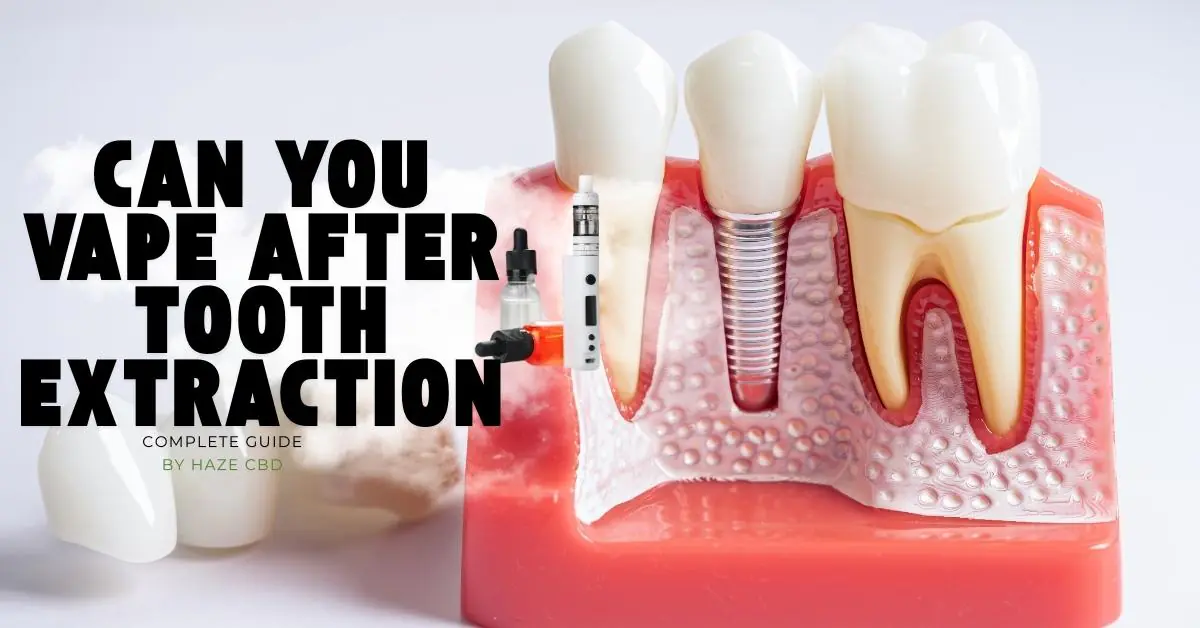
After having a tooth extraction, it’s crucial to allow your mouth proper healing time before returning to activities like vaping. The suction created by inhaling vapour can dislodge the protective blood clot in the extraction area, leading to a dry socket. This blood clot is essential for effective healing and protecting exposed nerve endings and bone. Those considering vaping after dental surgery should understand that the chemicals in e-cigarette vapour may also irritate the area where the tooth has been extracted from and slow down the healing process.
Most dental professionals recommend waiting at least 72 hours, though preferably a full week, before resuming any form of smoking or vaping to ensure optimal healing and minimise complications. The nicotine in vape products can also block blood vessels. This reduces blood flow to that specific area and potentially compromises healing. If you’re wondering, ‘can you vape after tooth extraction,’ the clear consensus from dental experts is to exercise patience and abstain during the initial healing period.

Why Should You Wait to Vape After A Tooth Extraction?
After tooth extraction, giving your body the proper time to heal is crucial, which means temporarily putting down the vape. While the urge to return to normal habits may be strong, the powerful suction created by vaping can dislodge the protective blood clot forming in your extraction site, leading to an extremely painful condition called dry socket. When considering vaping and oral healing, it’s best to understand that the nicotine in e-cigarettes also causes blockages when it comes to blood flow and oxygen to the surgical area. This ultimately slows down your recovery process. The heat and chemicals from vaping can irritate the sensitive tissue and introduce harmful bacteria to the wound site, potentially causing infection and complications. Following proper dental advice on vaping, waiting at least 72 hours – though ideally 5-7 days – gives your mouth the best chance to heal properly and helps you avoid unnecessary pain and expensive follow-up treatments. Here’s why:
A Risk of Dry Socket
A significant complication following dental extractions is a dry socket (alveolar osteitis), a painful condition that demands careful post-operative care. This condition occurs when the protective blood clot that naturally forms in the extraction site becomes dislodged, exposing sensitive bone and nerve endings to air, food, and bacteria. The sucking motion associated with vaping can be particularly problematic, as it creates negative pressure that may disturb this vital blood clot.

Many patients wonder when to vape after tooth extraction. Still, dental professionals strongly advise against rushing back to this habit, as it can trigger intense pain, significantly delay healing, and potentially lead to serious infections requiring additional medical intervention. The consequences of disrupting the healing process of tooth extraction can be severe, which often results in prolonged discomfort and the need for extra dental visits. Given these risks, dentists’ common question is, “Can you vape after tooth extraction?” The clear consensus among dental professionals is to completely avoid vaping for at least 72 hours to a week post-extraction to ensure proper healing and prevent complications.
Smoking vs Vaping After Tooth Extraction
Smoking after a tooth extraction increases the risk of dry sockets. An emergency condition where the blood clot is dislodged from the extraction site. While both smoking and vaping should be avoided following dental surgery, traditional cigarettes pose a greater risk due to the stronger suction forces and harmful chemicals involved.
- The physical act of drawing on a cigarette creates negative pressure that can dislodge healing blood clots.
- Recovery times are typically longer in patients who resume smoking within 72 hours of extraction.
- Studies show that vaping and oral healing are not compatible, as even e-cigarette use can impair blood flow and delay tissue regeneration in the socket.
Other Risks of Vaping After Extraction
Following tooth extraction vape guidelines is crucial, as vaping after dental surgery can lead to serious complications beyond the commonly known dry socket risk. The chemical compounds in e-cigarettes can directly irritate the sensitive surgical site and delay the natural healing process. At the same time, the physical act of vaping creates pressure changes in your mouth that could dislodge the protective blood clot.
- 1. Chemical Irritation: E-liquid vapours can irritate the surgical site and cause disruptions in healing.
- 2. Reduced Blood Flow: Nicotine tightens blood vessels, slowing recovery.
- 3. Increased Infection Risk: Introducing foreign substances near the extraction site can lead to bacterial contamination.
- 4. Delayed Healing: Combining chemicals and suction can significantly extend recovery.
Many patients wonder: ‘Can you vape after tooth extraction?’ Still, dental professionals strongly advise waiting at least 72 hours, and ideally a full week, before resuming any form of smoking or vaping.
When Can You Start Vaping Again?
After tooth extraction, giving your mouth adequate time to form a stable blood clot and begin the healing process is crucial. Vaping post-dental procedure can create negative pressure in your mouth, potentially dislodging the protective blood clot and leading to a painful condition called dry socket. While most dental professionals recommend waiting at least 72 hours before resuming any smoking or vaping activities, following your dentist’s personalised advice is essential for optimal recovery.
Key points for a safe recovery:
- Wait for a minimum of 72 hours after the extraction
- Preferably 5-7 days for better healing
- Follow your dentist’s specific instructions
- Monitor for any signs of complications like increased pain, swelling, or discharge
Tips for Managing Cravings
After wisdom teeth extraction, fighting the urge to vape can be challenging, but there are several effective alternatives to help you through this recovery period. Consider using temporary nicotine patches to manage cravings while your surgical sites heal, giving you the nicotine your body craves without risking complications.

After wisdom teeth extraction, fighting the urge to vape can be challenging, but there are several effective alternatives to help you through this recovery period. Consider using temporary nicotine patches to manage cravings while your surgical sites heal, giving you the nicotine your body craves without risking complications.
When wondering: ‘when can I vape after wisdom teeth removal,’ it’s important to focus on healthier temporary solutions. Practising stress-reduction techniques like deep breathing exercises or meditation can help manage anxiety and the psychological aspects of nicotine withdrawal. Keeping yourself occupied with activities that don’t trigger vaping habits, such as walking, reading, or spending time with supportive friends, can make the waiting period more manageable.
Remember, enduring a few days of discomfort is far better than experiencing weeks of painful complications like dry sockets or delayed healing. Rather than rushing back to vape after wisdom tooth removal, use this time to explore these alternatives and protect your oral health.
Warning Signs to Watch For
After tooth removal, patients must be vigilant about their healing process, as certain warning signs can indicate a serious complication called dry socket when they vape after the tooth is pulled. Watch carefully for warning signals, including intensifying pain beyond the first day, foul tastes or odours in your mouth, exposed bone at the extraction site, unusually slow healing, or any signs of infection like fever or swelling. If you experience any of these symptoms, contact your dentist immediately for evaluation and treatment, as early intervention is crucial for preventing more severe complications that could arise when pondering whether you can vape after tooth extraction.
| Warning Sign | What to Look For |
| Severe Pain | Pain that gets worse, not better, after 24 hours from the procedure |
| Taste/Smell Changes | Unusual bad taste or foul odour in your mouth |
| Exposed Bone | Visible bone tissue in the extraction socket |
| Healing Issues | Socket not showing normal signs of healing |
| Infection Symptoms | Fever, swelling, redness, or warmth around the area |
You should contact your dentist immediately if you experience any of these symptoms. They could indicate complications like a dry socket or infection.
The Bottom Line
The temporary discomfort of avoiding nicotine is far preferable to the serious complications that post-tooth extraction vaping can trigger. While the urge to vape may be strong, patients must prioritise their oral health and healing process during this crucial recovery period. Dry sockets delay healing; infection is preventable if you follow your dental professional’s guidelines. Remember that every patient’s healing journey is unique, so even if you’re feeling better, it’s essential to wait the full recommended time before resuming any smoking or vaping activities. The most common question dentists hear: ‘Can you vape after tooth extraction?’ has a clear answer: it’s best to wait at least 72 hours, preferably a full week, to ensure proper healing and avoid potentially painful complications.